| Country | Contributions | Between | Climbers | Crags | Summits | Climbs | Ascents | |
|---|---|---|---|---|---|---|---|---|
| 1 | United Kingdom | 10135 | 22nd May 2025 – 27th June 2026 | 106 | 13 | 0 | 549 | 986 |
| 2 | France | 3310 | 22nd May 2025 – 25th June 2026 | 30 | 13 | 0 | 166 | 318 |
| 3 | USA | 1660 | 30th July 2025 – 26th June 2026 | 24 | 56 | 0 | 156 | 82 |
| 4 | Japan | 1433 | 19th July 2025 – 23rd June 2026 | 14 | 25 | 0 | 98 | 70 |
| 5 | Spain | 314 | 31st July 2025 – 25th June 2026 | 3 | 9 | 0 | 33 | 13 |
| 6 | New Zealand | 214 | 19th August 2025 – 26th June 2026 | 1 | 1 | 0 | 15 | 13 |
| 7 | Switzerland | 194 | 31st July 2025 – 26th June 2026 | 2 | 5 | 0 | 20 | 12 |
| 8 | Canada | 146 | 10th September 2025 – 10th June 2026 | 1 | 8 | 0 | 23 | 2 |
| 9 | Italy | 146 | 12th August 2025 – 17th May 2026 | 1 | 7 | 0 | 16 | 6 |
| 10 | Venezuela | 137 | 7th October 2025 – 27th June 2026 | 1 | 3 | 0 | 3 | 10 |
| Date | Time | User | Type | Name | Attribute | ||
|---|---|---|---|---|---|---|---|
| 541 | 18th June 2026 | 09:34:26 UTC | TdG | media | /file/7138b478-fc54-7cda-dafd-557ddf4c1dba/276400.webp | url_optimised | |
|
Before
None
After
/file/d1268ed2-2c8c-32dd-23a7-7aeec57d2186/276400.webp.webp
|
|||||||
| 542 | 18th June 2026 | 09:34:26 UTC | TdG | media | /file/7138b478-fc54-7cda-dafd-557ddf4c1dba/276400.webp | src | |
|
Before
None
After
https://img.ukclimbing.com/i/276400?fm=webp&time=1464087041&dpr=2&w=384&sharp=7&s=610250ad027aed106627c95f041b071f
|
|||||||
| 543 | 18th June 2026 | 09:34:26 UTC | TdG | media | /file/7138b478-fc54-7cda-dafd-557ddf4c1dba/276400.webp | missing_right_to_reproduce | |
|
Before
None
After
true
|
|||||||
| 544 | 18th June 2026 | 09:34:26 UTC | TdG | media | /file/7138b478-fc54-7cda-dafd-557ddf4c1dba/276400.webp | attribution_climber_id | |
|
Before
None
After
1691
|
|||||||
| 545 | 18th June 2026 | 09:34:26 UTC | TdG | media | /file/7138b478-fc54-7cda-dafd-557ddf4c1dba/276400.webp | url | |
|
Before
None
After
/file/7138b478-fc54-7cda-dafd-557ddf4c1dba/276400.webp
|
|||||||
| 546 | 18th June 2026 | 09:33:29 UTC | TdG | climb | The Great Escape | notes_pretty | |
|
Before
None
After
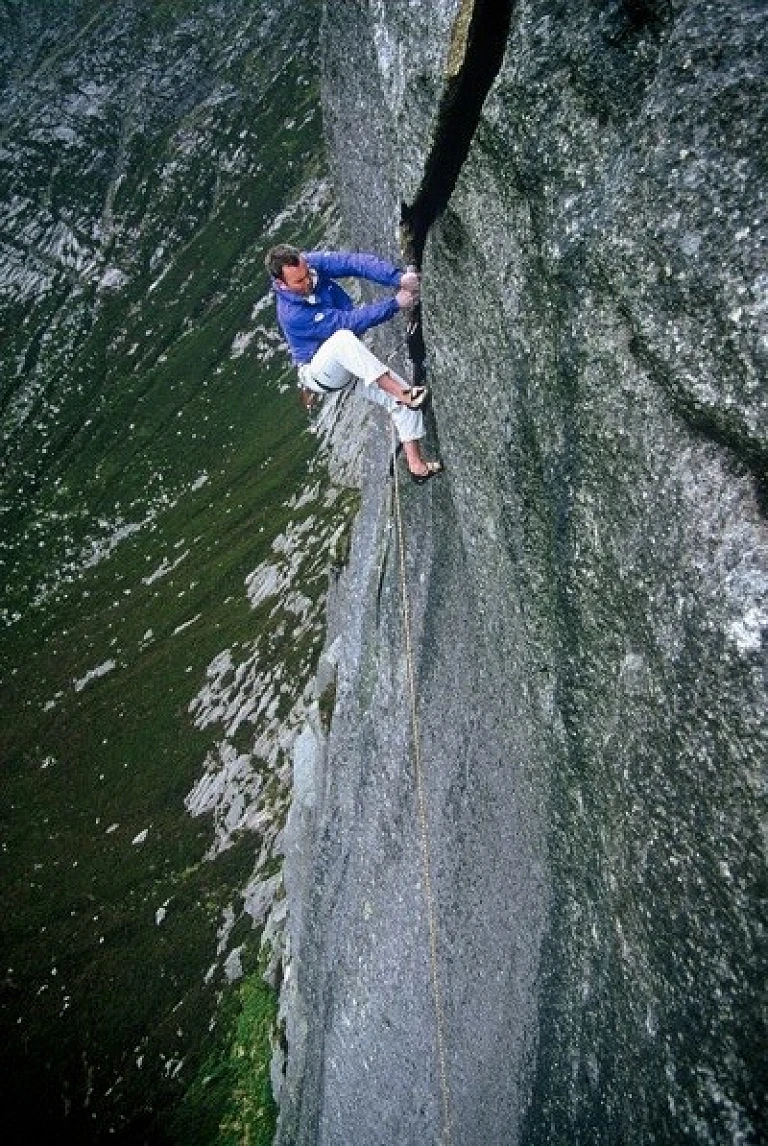
<p><a href="/climber/154/john-dunne" rel="noopener noreferrer">John Dunne</a>:</p>
<blockquote>
<p>I was stunned at the scale and quality of the wall and it is a fantastic piece of rock, technical and bold with the huge flake feature on the main pitch. The route is awesome and world class.</p>
</blockquote>
<h3>References</h3>
<p>[1] <a href="https://www.ukclimbing.com/news/2016/05/mchaffie_and_dunne_on_the_great_escape-70475" rel="noopener noreferrer">https://www.ukclimbing.com/news/2016/05/mchaffie_and_dunne_on_the_great_escape-70475</a></p>
|
|||||||
| 547 | 18th June 2026 | 09:33:29 UTC | TdG | climb | The Great Escape | notes | |
|
Before
None
After
[John Dunne](/climber/154/john-dunne):
>I was stunned at the scale and quality of the wall and it is a fantastic piece of rock, technical and bold with the huge flake feature on the main pitch. The route is awesome and world class.

### References

[1] [https://www.ukclimbing.com/news/2016/05/mchaffie_and_dunne_on_the_great_escape-70475](https://www.ukclimbing.com/news/2016/05/mchaffie_and_dunne_on_the_great_escape-70475)
Diff
--- before
|
|||||||
| 548 | 18th June 2026 | 09:29:41 UTC | TdG | climb | The Great Escape | Pitches | |
|
Before
None
After
3
|
|||||||
| 549 | 18th June 2026 | 09:29:18 UTC | TdG | ascent | Dave MacLeod's ascent of The Great Escape | notes | |
|
Before
Dave believed his ascent to be the first ascent, later learning of John Dunne's claim.
>The route would be three distinct pitches. Pitch two would almost certainly form the meat of the difficulties, but the top pitch might also be tricky, with a few options for where you could go. After abseiling to a big ledge at the top of the main pitch, I re-rigged the rope and continued down. As soon as I was over the lip, I was surprised to find that the whole line was not only obvious but very well chalked. I had enough experience to know that the route had seen attention from someone who really knew what they were doing. Each hold had been carefully cleaned, and every single foot smear had been marked with a tiny dab of chalk. I'd seen that done here and there on boulder problems before, but never for every foothold on a 45-metre mountain pitch like this. […]

>On the way back up the rope, I also tried the top pitch. Unlike the one below, it had no chalk, and some of the holds were covered in thick, tough lichen. I spent about four hours scrubbing the whole wall with a wire brush to make the moves possible for me. It was clear this pitch was only a grade or so easier than the one below.

>Back home in Glasgow, I made an assumption. Even if the main pitch had been done, whoever had done it had gone a different way for the top pitch since that was still dirty. Most likely, they would have taken the path of least resistance, escaping left after the big ledge. A month passed and I heard nothing in the climbing media or on the grapevine about the route having been done, so I resolved to get on the line I had cleaned. Regardless of whether the main pitch had been climbed or not, the headwall would add distinction and a lot of difficulty to the overall route. […]

>Given that tense first meeting with John [Dunne] at Kendal, I was dismayed to learn that the route on Arran was his. After some confusion, I heard John had indeed climbed the exact same line as me, including the final pitch. I doubted this could be correct, since it was so dirty and the main pitch so thoroughly cleaned. But John rang me and asked me to describe in detail where I went, and he told me that was what he had done. He said the top pitch had been dirty, but he had just climbed through it. […] John called the climb The Great Escape. Had the first ascent been mine, I would have called it Macrochiera, after the giant spider crab, since the wall resembled the shape of the crab, with the flake of the crux pitch forming the left pincer. The right pincer is a much harder line and remains unclimbed to this day.

### References

[1] Dave MacLeod, 'Moving the Needle', Rare Breed Productions, 2024
After
Dave believed his ascent to be the first ascent, later learning of [John Dunne](/climber/154/john-dunne) claim.
>The route would be three distinct pitches. Pitch two would almost certainly form the meat of the difficulties, but the top pitch might also be tricky, with a few options for where you could go. After abseiling to a big ledge at the top of the main pitch, I re-rigged the rope and continued down. As soon as I was over the lip, I was surprised to find that the whole line was not only obvious but very well chalked. I had enough experience to know that the route had seen attention from someone who really knew what they were doing. Each hold had been carefully cleaned, and every single foot smear had been marked with a tiny dab of chalk. I'd seen that done here and there on boulder problems before, but never for every foothold on a 45-metre mountain pitch like this. […]

>On the way back up the rope, I also tried the top pitch. Unlike the one below, it had no chalk, and some of the holds were covered in thick, tough lichen. I spent about four hours scrubbing the whole wall with a wire brush to make the moves possible for me. It was clear this pitch was only a grade or so easier than the one below.

>Back home in Glasgow, I made an assumption. Even if the main pitch had been done, whoever had done it had gone a different way for the top pitch since that was still dirty. Most likely, they would have taken the path of least resistance, escaping left after the big ledge. A month passed and I heard nothing in the climbing media or on the grapevine about the route having been done, so I resolved to get on the line I had cleaned. Regardless of whether the main pitch had been climbed or not, the headwall would add distinction and a lot of difficulty to the overall route. […]

>Given that tense first meeting with John [Dunne] at Kendal, I was dismayed to learn that the route on Arran was his. After some confusion, I heard John had indeed climbed the exact same line as me, including the final pitch. I doubted this could be correct, since it was so dirty and the main pitch so thoroughly cleaned. But John rang me and asked me to describe in detail where I went, and he told me that was what he had done. He said the top pitch had been dirty, but he had just climbed through it. […] John called the climb The Great Escape. Had the first ascent been mine, I would have called it Macrochiera, after the giant spider crab, since the wall resembled the shape of the crab, with the flake of the crux pitch forming the left pincer. The right pincer is a much harder line and remains unclimbed to this day.

### References

[1] Dave MacLeod, 'Moving the Needle', Rare Breed Productions, 2024
Diff
--- before
|
|||||||
| 550 | 18th June 2026 | 09:29:18 UTC | TdG | ascent | Dave MacLeod's ascent of The Great Escape | notes_pretty | |
|
Before
<p>Dave believed his ascent to be the first ascent, later learning of John Dunne's claim.</p>
<blockquote>
<p>The route would be three distinct pitches. Pitch two would almost certainly form the meat of the difficulties, but the top pitch might also be tricky, with a few options for where you could go. After abseiling to a big ledge at the top of the main pitch, I re-rigged the rope and continued down. As soon as I was over the lip, I was surprised to find that the whole line was not only obvious but very well chalked. I had enough experience to know that the route had seen attention from someone who really knew what they were doing. Each hold had been carefully cleaned, and every single foot smear had been marked with a tiny dab of chalk. I'd seen that done here and there on boulder problems before, but never for every foothold on a 45-metre mountain pitch like this. […]</p>
<p>On the way back up the rope, I also tried the top pitch. Unlike the one below, it had no chalk, and some of the holds were covered in thick, tough lichen. I spent about four hours scrubbing the whole wall with a wire brush to make the moves possible for me. It was clear this pitch was only a grade or so easier than the one below.</p>
<p>Back home in Glasgow, I made an assumption. Even if the main pitch had been done, whoever had done it had gone a different way for the top pitch since that was still dirty. Most likely, they would have taken the path of least resistance, escaping left after the big ledge. A month passed and I heard nothing in the climbing media or on the grapevine about the route having been done, so I resolved to get on the line I had cleaned. Regardless of whether the main pitch had been climbed or not, the headwall would add distinction and a lot of difficulty to the overall route. […]</p>
<p>Given that tense first meeting with John [Dunne] at Kendal, I was dismayed to learn that the route on Arran was his. After some confusion, I heard John had indeed climbed the exact same line as me, including the final pitch. I doubted this could be correct, since it was so dirty and the main pitch so thoroughly cleaned. But John rang me and asked me to describe in detail where I went, and he told me that was what he had done. He said the top pitch had been dirty, but he had just climbed through it. […] John called the climb The Great Escape. Had the first ascent been mine, I would have called it Macrochiera, after the giant spider crab, since the wall resembled the shape of the crab, with the flake of the crux pitch forming the left pincer. The right pincer is a much harder line and remains unclimbed to this day.</p>
</blockquote>
<h3>References</h3>
<p>[1] Dave MacLeod, 'Moving the Needle', Rare Breed Productions, 2024</p>
After
<p>Dave believed his ascent to be the first ascent, later learning of <a href="/climber/154/john-dunne" rel="noopener noreferrer">John Dunne</a> claim.</p>
<blockquote>
<p>The route would be three distinct pitches. Pitch two would almost certainly form the meat of the difficulties, but the top pitch might also be tricky, with a few options for where you could go. After abseiling to a big ledge at the top of the main pitch, I re-rigged the rope and continued down. As soon as I was over the lip, I was surprised to find that the whole line was not only obvious but very well chalked. I had enough experience to know that the route had seen attention from someone who really knew what they were doing. Each hold had been carefully cleaned, and every single foot smear had been marked with a tiny dab of chalk. I'd seen that done here and there on boulder problems before, but never for every foothold on a 45-metre mountain pitch like this. […]</p>
<p>On the way back up the rope, I also tried the top pitch. Unlike the one below, it had no chalk, and some of the holds were covered in thick, tough lichen. I spent about four hours scrubbing the whole wall with a wire brush to make the moves possible for me. It was clear this pitch was only a grade or so easier than the one below.</p>
<p>Back home in Glasgow, I made an assumption. Even if the main pitch had been done, whoever had done it had gone a different way for the top pitch since that was still dirty. Most likely, they would have taken the path of least resistance, escaping left after the big ledge. A month passed and I heard nothing in the climbing media or on the grapevine about the route having been done, so I resolved to get on the line I had cleaned. Regardless of whether the main pitch had been climbed or not, the headwall would add distinction and a lot of difficulty to the overall route. […]</p>
<p>Given that tense first meeting with John [Dunne] at Kendal, I was dismayed to learn that the route on Arran was his. After some confusion, I heard John had indeed climbed the exact same line as me, including the final pitch. I doubted this could be correct, since it was so dirty and the main pitch so thoroughly cleaned. But John rang me and asked me to describe in detail where I went, and he told me that was what he had done. He said the top pitch had been dirty, but he had just climbed through it. […] John called the climb The Great Escape. Had the first ascent been mine, I would have called it Macrochiera, after the giant spider crab, since the wall resembled the shape of the crab, with the flake of the crux pitch forming the left pincer. The right pincer is a much harder line and remains unclimbed to this day.</p>
</blockquote>
<h3>References</h3>
<p>[1] Dave MacLeod, 'Moving the Needle', Rare Breed Productions, 2024</p>
|
|||||||
| 551 | 18th June 2026 | 09:28:40 UTC | TdG | ascent | John Dunne's ascent of The Great Escape | Ascent # | |
|
Before
None
After
1
|
|||||||
| 552 | 18th June 2026 | 09:28:21 UTC | TdG | ascent | John Dunne's ascent of The Great Escape | notes | |
|
Before
John suggested a grade of HXS
After
John named the route and is now widely credited with the first ascent, though this was disputed at the time as [Dave MacLeod](/climber/146/dave-macleod) may have nipped in beforehand. Following controversy over his E10 grading of [Breathless](/climb/1455/breathless) (E9), John graded the route HXS.
Diff
--- before
|
|||||||
| 553 | 18th June 2026 | 09:28:21 UTC | TdG | ascent | John Dunne's ascent of The Great Escape | notes_pretty | |
|
Before
<p>John suggested a grade of HXS</p>
After
<p>John named the route and is now widely credited with the first ascent, though this was disputed at the time as <a href="/climber/146/dave-macleod" rel="noopener noreferrer">Dave MacLeod</a> may have nipped in beforehand. Following controversy over his E10 grading of <a href="/climb/1455/breathless" rel="noopener noreferrer">Breathless</a> (E9), John graded the route HXS.</p>
|
|||||||
| 554 | 18th June 2026 | 09:04:38 UTC | TdG | climber | John Dunne | notes_pretty | |
|
Before
<p>John Dunne is a British climber who established many hard, high quality sport and trad routes in the UK in the 1980s and 1990s. In particular routes like <a href="/climb/306/austrian-oak" rel="noopener noreferrer">Austrian Oak</a> and <a href="/climb/520/magnetic-fields" rel="noopener noreferrer">Magnetic Fields</a> at <a href="/crag/610/malham-cove" rel="noopener noreferrer">Malham Cove</a> were some of the hardest in the UK at the time.</p>
<p>John also put up many excellent trad routes. For example <a href="/climb/652/the-new-statesman" rel="noopener noreferrer">The New Statesman</a> at <a href="/crag/547/ilkley-cow-and-calf" rel="noopener noreferrer">Ilkley</a> included very difficult climbing in a dangerous position and was one of the hardest and best routes on gritstone when it was put up. </p>
<p>John's climbing attracted controversy throughout his career, notably his first ascent of <a href="/climb/598/parthian-shot-(pre-2011-break)" rel="noopener noreferrer">Parthian Shot</a> (E9) which some residents of Sheffield found hard to believe – despite evidence to the contrary.</p>
<h3>References</h3>
<p>[1] Interview with <a href="/climber/580/adrian-berry" rel="noopener noreferrer">Adrian Berry</a> March 2005 <a href="https://web.archive.org/web/20061022044419/http://www.planetfear.com/article_detail.asp?a_id=466" rel="noopener noreferrer">https://web.archive.org/web/20061022044419/http://www.planetfear.com/article_detail.asp?a_id=466</a></p>
<p>[2] <a href="/library/7194/john-dunne---the-big-issue" rel="noopener noreferrer">John Dunne - The Big Issue</a> 1996 film by <a href="/climber/2188/sid-perou" rel="noopener noreferrer">Sid Perou</a></p>
After
<p>John Dunne is a British climber from Bradford who established many hard, high quality sport and trad routes in the UK in the 1980s and 1990s. In particular routes like <a href="/climb/306/austrian-oak" rel="noopener noreferrer">Austrian Oak</a> and <a href="/climb/520/magnetic-fields" rel="noopener noreferrer">Magnetic Fields</a> at <a href="/crag/610/malham-cove" rel="noopener noreferrer">Malham Cove</a> were some of the hardest in the UK at the time.</p>
<p>John also put up many excellent trad routes. For example <a href="/climb/652/the-new-statesman" rel="noopener noreferrer">The New Statesman</a> at <a href="/crag/547/ilkley-cow-and-calf" rel="noopener noreferrer">Ilkley</a> included very difficult climbing in a dangerous position and was one of the hardest and best routes on gritstone when it was put up. Other 'last great problems' include <a href="/climb/603/the-big-issue" rel="noopener noreferrer">The Big Issue</a> (E9), <a href="/climb/1455/breathless" rel="noopener noreferrer">Breathless</a> (E9) and <a href="/climb/625/divided-years" rel="noopener noreferrer">Divided Years</a> (E9).</p>
<p>John's climbing attracted controversy throughout his career, notably his first ascent of <a href="/climb/598/parthian-shot-(pre-2011-break)" rel="noopener noreferrer">Parthian Shot</a> (E9) which some residents of Sheffield found hard to believe – despite evidence to the contrary.</p>
<h3>References</h3>
<p>[1] Interview with <a href="/climber/580/adrian-berry" rel="noopener noreferrer">Adrian Berry</a> March 2005 <a href="https://web.archive.org/web/20061022044419/http://www.planetfear.com/article_detail.asp?a_id=466" rel="noopener noreferrer">https://web.archive.org/web/20061022044419/http://www.planetfear.com/article_detail.asp?a_id=466</a></p>
<p>[2] <a href="/library/7194/john-dunne---the-big-issue" rel="noopener noreferrer">John Dunne - The Big Issue</a> 1996 film by <a href="/climber/2188/sid-perou" rel="noopener noreferrer">Sid Perou</a></p>
|
|||||||
| 555 | 18th June 2026 | 09:04:38 UTC | TdG | climber | John Dunne | notes | |
|
Before
John Dunne is a British climber who established many hard, high quality sport and trad routes in the UK in the 1980s and 1990s. In particular routes like [Austrian Oak](/climb/306/austrian-oak) and [Magnetic Fields](/climb/520/magnetic-fields) at [Malham Cove](/crag/610/malham-cove) were some of the hardest in the UK at the time.

John also put up many excellent trad routes. For example [The New Statesman](/climb/652/the-new-statesman) at [Ilkley](/crag/547/ilkley-cow-and-calf) included very difficult climbing in a dangerous position and was one of the hardest and best routes on gritstone when it was put up.

John's climbing attracted controversy throughout his career, notably his first ascent of [Parthian Shot](/climb/598/parthian-shot-(pre-2011-break)) (E9) which some residents of Sheffield found hard to believe – despite evidence to the contrary.

### References

[1] Interview with [Adrian Berry](/climber/580/adrian-berry) March 2005 [https://web.archive.org/web/20061022044419/http://www.planetfear.com/article_detail.asp?a_id=466](https://web.archive.org/web/20061022044419/http://www.planetfear.com/article_detail.asp?a_id=466)

[2] [John Dunne - The Big Issue](/library/7194/john-dunne---the-big-issue) 1996 film by [Sid Perou](/climber/2188/sid-perou)
After
John Dunne is a British climber from Bradford who established many hard, high quality sport and trad routes in the UK in the 1980s and 1990s. In particular routes like [Austrian Oak](/climb/306/austrian-oak) and [Magnetic Fields](/climb/520/magnetic-fields) at [Malham Cove](/crag/610/malham-cove) were some of the hardest in the UK at the time.

John also put up many excellent trad routes. For example [The New Statesman](/climb/652/the-new-statesman) at [Ilkley](/crag/547/ilkley-cow-and-calf) included very difficult climbing in a dangerous position and was one of the hardest and best routes on gritstone when it was put up. Other 'last great problems' include [The Big Issue](/climb/603/the-big-issue) (E9), [Breathless](/climb/1455/breathless) (E9) and [Divided Years](/climb/625/divided-years) (E9).

John's climbing attracted controversy throughout his career, notably his first ascent of [Parthian Shot](/climb/598/parthian-shot-(pre-2011-break)) (E9) which some residents of Sheffield found hard to believe – despite evidence to the contrary.

### References

[1] Interview with [Adrian Berry](/climber/580/adrian-berry) March 2005 [https://web.archive.org/web/20061022044419/http://www.planetfear.com/article_detail.asp?a_id=466](https://web.archive.org/web/20061022044419/http://www.planetfear.com/article_detail.asp?a_id=466)

[2] [John Dunne - The Big Issue](/library/7194/john-dunne---the-big-issue) 1996 film by [Sid Perou](/climber/2188/sid-perou)
Diff
--- before
|
|||||||
| 556 | 18th June 2026 | 08:59:33 UTC | TdG | climber | John Dunne | featurable | |
|
Before
false
After
true
|
|||||||
| 557 | 18th June 2026 | 08:57:50 UTC | TdG | climber | John Dunne | notes | |
|
Before
John Dunne is a British climber who established many hard, high quality sport and trad routes in the UK in the 1980s and 1990s. In particular routes like [Austrian Oak](/climb/306/austrian-oak) and [Magnetic Fields](/climb/520/magnetic-fields) at [Malham Cove](/crag/610/malham-cove) were some of the hardest in the UK at the time.

John also put up many excellent trad routes. For example [The New Statesman](/climb/652/the-new-statesman) at [Ilkley](/crag/547/ilkley-cow-and-calf) included very difficult climbing in a dangerous position and was one of the hardest routes on gritstone when it was put up.

John's climbing attracted a degree of controversy with some not believing his claimed ascents, though these doubts now appear to be unfounded.

### References

[1] Interview with [Adrian Berry](/climber/580/adrian-berry) March 2005 [https://web.archive.org/web/20061022044419/http://www.planetfear.com/article_detail.asp?a_id=466](https://web.archive.org/web/20061022044419/http://www.planetfear.com/article_detail.asp?a_id=466)

[2] [John Dunne - The Big Issue](/library/7194/john-dunne---the-big-issue) 1996 film by [Sid Perou](/climber/2188/sid-perou)
After
John Dunne is a British climber who established many hard, high quality sport and trad routes in the UK in the 1980s and 1990s. In particular routes like [Austrian Oak](/climb/306/austrian-oak) and [Magnetic Fields](/climb/520/magnetic-fields) at [Malham Cove](/crag/610/malham-cove) were some of the hardest in the UK at the time.

John also put up many excellent trad routes. For example [The New Statesman](/climb/652/the-new-statesman) at [Ilkley](/crag/547/ilkley-cow-and-calf) included very difficult climbing in a dangerous position and was one of the hardest and best routes on gritstone when it was put up.

John's climbing attracted controversy throughout his career, notably his first ascent of [Parthian Shot](/climb/598/parthian-shot-(pre-2011-break)) (E9) which some residents of Sheffield found hard to believe – despite evidence to the contrary.

### References

[1] Interview with [Adrian Berry](/climber/580/adrian-berry) March 2005 [https://web.archive.org/web/20061022044419/http://www.planetfear.com/article_detail.asp?a_id=466](https://web.archive.org/web/20061022044419/http://www.planetfear.com/article_detail.asp?a_id=466)

[2] [John Dunne - The Big Issue](/library/7194/john-dunne---the-big-issue) 1996 film by [Sid Perou](/climber/2188/sid-perou)
Diff
--- before
|
|||||||
| 558 | 18th June 2026 | 08:57:50 UTC | TdG | climber | John Dunne | notes_pretty | |
|
Before
<p>John Dunne is a British climber who established many hard, high quality sport and trad routes in the UK in the 1980s and 1990s. In particular routes like <a href="/climb/306/austrian-oak">Austrian Oak</a> and <a href="/climb/520/magnetic-fields">Magnetic Fields</a> at <a href="/crag/610/malham-cove">Malham Cove</a> were some of the hardest in the UK at the time.</p>
<p>John also put up many excellent trad routes. For example <a href="/climb/652/the-new-statesman">The New Statesman</a> at <a href="/crag/547/ilkley-cow-and-calf">Ilkley</a> included very difficult climbing in a dangerous position and was one of the hardest routes on gritstone when it was put up.</p>
<p>John's climbing attracted a degree of controversy with some not believing his claimed ascents, though these doubts now appear to be unfounded.</p>
<h3>References</h3>
<p>[1] Interview with <a href="/climber/580/adrian-berry">Adrian Berry</a> March 2005 <a href="https://web.archive.org/web/20061022044419/http://www.planetfear.com/article_detail.asp?a_id=466">https://web.archive.org/web/20061022044419/http://www.planetfear.com/article_detail.asp?a_id=466</a></p>
<p>[2] <a href="/library/7194/john-dunne---the-big-issue">John Dunne - The Big Issue</a> 1996 film by <a href="/climber/2188/sid-perou">Sid Perou</a></p>
After
<p>John Dunne is a British climber who established many hard, high quality sport and trad routes in the UK in the 1980s and 1990s. In particular routes like <a href="/climb/306/austrian-oak" rel="noopener noreferrer">Austrian Oak</a> and <a href="/climb/520/magnetic-fields" rel="noopener noreferrer">Magnetic Fields</a> at <a href="/crag/610/malham-cove" rel="noopener noreferrer">Malham Cove</a> were some of the hardest in the UK at the time.</p>
<p>John also put up many excellent trad routes. For example <a href="/climb/652/the-new-statesman" rel="noopener noreferrer">The New Statesman</a> at <a href="/crag/547/ilkley-cow-and-calf" rel="noopener noreferrer">Ilkley</a> included very difficult climbing in a dangerous position and was one of the hardest and best routes on gritstone when it was put up. </p>
<p>John's climbing attracted controversy throughout his career, notably his first ascent of <a href="/climb/598/parthian-shot-(pre-2011-break)" rel="noopener noreferrer">Parthian Shot</a> (E9) which some residents of Sheffield found hard to believe – despite evidence to the contrary.</p>
<h3>References</h3>
<p>[1] Interview with <a href="/climber/580/adrian-berry" rel="noopener noreferrer">Adrian Berry</a> March 2005 <a href="https://web.archive.org/web/20061022044419/http://www.planetfear.com/article_detail.asp?a_id=466" rel="noopener noreferrer">https://web.archive.org/web/20061022044419/http://www.planetfear.com/article_detail.asp?a_id=466</a></p>
<p>[2] <a href="/library/7194/john-dunne---the-big-issue" rel="noopener noreferrer">John Dunne - The Big Issue</a> 1996 film by <a href="/climber/2188/sid-perou" rel="noopener noreferrer">Sid Perou</a></p>
|
|||||||
| 559 | 18th June 2026 | 08:50:00 UTC | TdG | climber | Malcolm Smith | featurable | |
|
Before
false
After
true
|
|||||||
| 560 | 18th June 2026 | 08:48:17 UTC | TdG | climber | Malcolm Smith | Other Name | |
|
Before
None
After
Malc Smith
|
|||||||