| Country | Contributions | Between | Climbers | Crags | Summits | Climbs | Ascents | |
|---|---|---|---|---|---|---|---|---|
| 1 | United Kingdom | 11148 | 22nd May 2025 – 16th September 2026 | 114 | 13 | 0 | 586 | 1083 |
| 2 | France | 3430 | 22nd May 2025 – 29th August 2026 | 32 | 13 | 0 | 172 | 326 |
| 3 | USA | 1770 | 30th July 2025 – 14th August 2026 | 26 | 56 | 0 | 167 | 88 |
| 4 | Japan | 1478 | 19th July 2025 – 14th August 2026 | 14 | 25 | 0 | 107 | 73 |
| 5 | Spain | 319 | 31st July 2025 – 14th August 2026 | 3 | 9 | 0 | 35 | 13 |
| 6 | Switzerland | 229 | 31st July 2025 – 9th August 2026 | 2 | 5 | 0 | 21 | 15 |
| 7 | New Zealand | 216 | 19th August 2025 – 14th August 2026 | 1 | 1 | 0 | 17 | 13 |
| 8 | Canada | 170 | 10th September 2025 – 14th August 2026 | 1 | 9 | 0 | 25 | 3 |
| 9 | Italy | 166 | 12th August 2025 – 16th August 2026 | 2 | 7 | 0 | 19 | 7 |
| 10 | Germany | 151 | 8th November 2025 – 6th August 2026 | 4 | 6 | 0 | 10 | 5 |
| Date | Time | User | Type | Name | Attribute | ||
|---|---|---|---|---|---|---|---|
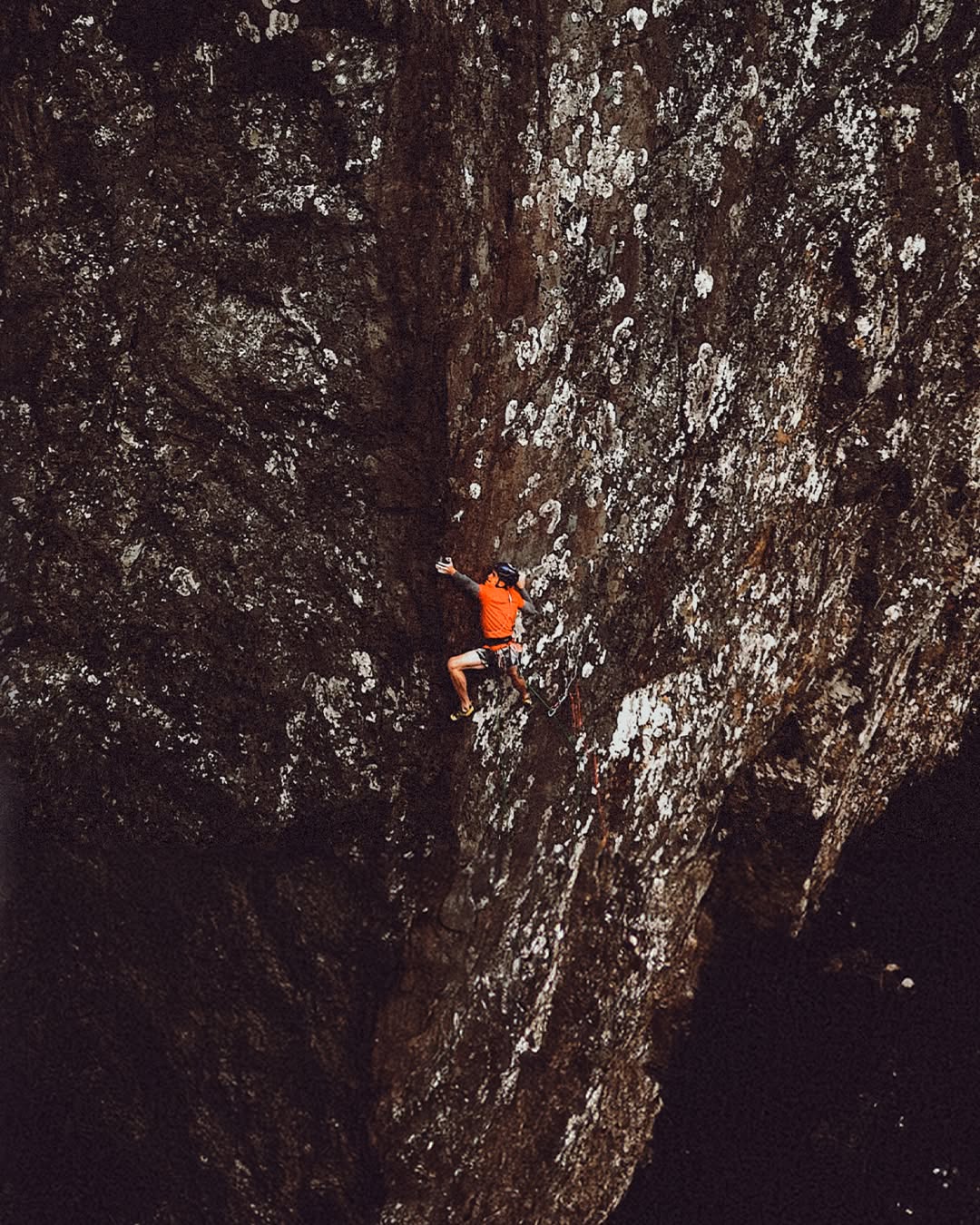
| 1481 | 30th June 2026 | 16:25:02 UTC | Mono | media | /file/04e4e0c3-b462-0b5a-0d91-87f28cb6048e/483065903_976272461262768_731430241272518442_n.jpg | src | |
|
Before
None
After
https://www.facebook.com/photo/?fbid=840027234887292&set=pcb.840034208219928
|
|||||||
| 1482 | 30th June 2026 | 16:01:48 UTC | Mono | ascent | John Dunne's ascent of Tolerance | ascent_dt_start | |
|
Before
None
After
1990-01-01
|
|||||||
| 1483 | 30th June 2026 | 16:01:48 UTC | Mono | ascent | John Dunne's ascent of Tolerance | ascent_dt_end | |
|
Before
None
After
2000-01-01
|
|||||||
| 1484 | 30th June 2026 | 14:42:05 UTC | Mono | climb | Action Directe | notes_pretty | |
|
Before
<p>Action Directe is a legendary sport route in the <a href="/crag/9613/waldkopf" rel="noopener noreferrer">Waldkopf</a> area of the Frankenjura in Germany. It was first climbed by <a href="/climber/525/wolfgang-güllich" rel="noopener noreferrer">Wolfgang Güllich</a> in 1991 who suggested a UIAA grade of XI which equates to roughly 8c+/9a. It has since settled at 9a making it one of the first climbs at the grade in the world.</p>
<p>The route is infamous for its brutal, uncompromising climbing on one and two-finger pockets. While training for the first ascent, Wolfgang famously made use of the first campus board in the world (the board was erected in the Campus Centre gym in Nuremberg, hence the name).</p>
<p>After an easier initial section leading to a ledge and hands-off rest, the route consists of around 20 hand moves and is a pure power-endurance testpiece.</p>
<p>The route is named after the <a href="https://en.wikipedia.org/wiki/Action_Directe" rel="noopener noreferrer">French far-left militant group</a>.</p>
<h3>References</h3>
<p>[1] <em>Written in Stone</em>, Nov 2023 <a href="https://open.spotify.com/episode/3XjUWgzU7IMJgEWPzequbq?" rel="noopener noreferrer">https://open.spotify.com/episode/3XjUWgzU7IMJgEWPzequbq?</a></p>
<p>[2] <em>Written in Stone</em> interview with <a href="/climber/651/ben-cossey" rel="noopener noreferrer">Ben Cossey</a>, Nov 2023 <a href="https://open.spotify.com/episode/0jLxfy5CRlOTykTmtG7MZe?" rel="noopener noreferrer">https://open.spotify.com/episode/0jLxfy5CRlOTykTmtG7MZe?</a></p>
<p>[3] <em>Written in Stone</em> interview with <a href="/climber/472/alex-megos" rel="noopener noreferrer">Alex Megos</a>, Nov 2023 <a href="https://open.spotify.com/episode/5nhDlvoMlXj4jvCROnwSh6?" rel="noopener noreferrer">https://open.spotify.com/episode/5nhDlvoMlXj4jvCROnwSh6?</a></p>
After
<p>Action Directe is a legendary sport route in the <a href="/crag/9613/waldkopf" rel="noopener noreferrer">Waldkopf</a> area of the Frankenjura in Germany. It was first climbed by <a href="/climber/525/wolfgang-güllich" rel="noopener noreferrer">Wolfgang Güllich</a> in 1991 who suggested a UIAA grade of XI which equates to roughly 8c+/9a. It has since settled at 9a making it one of the first climbs at the grade in the world.</p>
<p>The route is infamous for its brutal, uncompromising climbing on one and two-finger pockets. While training for the first ascent, Wolfgang famously made use of the first campus board in the world (the board was erected in the Campus Centre gym in Nuremberg, hence the name).</p>
<p>After an easier initial section leading to a ledge and hands-off rest, a wild jump to pocket marks the beginning of around 20 hand moves – a pure power-endurance testpiece.</p>
<p>The route is named after the <a href="https://en.wikipedia.org/wiki/Action_Directe" rel="noopener noreferrer">French far-left militant group</a>.</p>
<h3>References</h3>
<p>[1] <em>Written in Stone</em>, Nov 2023 <a href="https://open.spotify.com/episode/3XjUWgzU7IMJgEWPzequbq?" rel="noopener noreferrer">https://open.spotify.com/episode/3XjUWgzU7IMJgEWPzequbq?</a></p>
<p>[2] <em>Written in Stone</em> interview with <a href="/climber/651/ben-cossey" rel="noopener noreferrer">Ben Cossey</a>, Nov 2023 <a href="https://open.spotify.com/episode/0jLxfy5CRlOTykTmtG7MZe?" rel="noopener noreferrer">https://open.spotify.com/episode/0jLxfy5CRlOTykTmtG7MZe?</a></p>
<p>[3] <em>Written in Stone</em> interview with <a href="/climber/472/alex-megos" rel="noopener noreferrer">Alex Megos</a>, Nov 2023 <a href="https://open.spotify.com/episode/5nhDlvoMlXj4jvCROnwSh6?" rel="noopener noreferrer">https://open.spotify.com/episode/5nhDlvoMlXj4jvCROnwSh6?</a></p>
|
|||||||
| 1485 | 30th June 2026 | 14:42:05 UTC | Mono | climb | Action Directe | notes | |
|
Before
Action Directe is a legendary sport route in the [Waldkopf](/crag/9613/waldkopf) area of the Frankenjura in Germany. It was first climbed by [Wolfgang Güllich](/climber/525/wolfgang-güllich) in 1991 who suggested a UIAA grade of XI which equates to roughly 8c+/9a. It has since settled at 9a making it one of the first climbs at the grade in the world.

The route is infamous for its brutal, uncompromising climbing on one and two-finger pockets. While training for the first ascent, Wolfgang famously made use of the first campus board in the world (the board was erected in the Campus Centre gym in Nuremberg, hence the name).

After an easier initial section leading to a ledge and hands-off rest, the route consists of around 20 hand moves and is a pure power-endurance testpiece.

The route is named after the [French far-left militant group](https://en.wikipedia.org/wiki/Action_Directe).

### References

[1] *Written in Stone*, Nov 2023 [https://open.spotify.com/episode/3XjUWgzU7IMJgEWPzequbq?](https://open.spotify.com/episode/3XjUWgzU7IMJgEWPzequbq?)

[2] *Written in Stone* interview with [Ben Cossey](/climber/651/ben-cossey), Nov 2023 [https://open.spotify.com/episode/0jLxfy5CRlOTykTmtG7MZe?](https://open.spotify.com/episode/0jLxfy5CRlOTykTmtG7MZe?)

[3] *Written in Stone* interview with [Alex Megos](/climber/472/alex-megos), Nov 2023 [https://open.spotify.com/episode/5nhDlvoMlXj4jvCROnwSh6?](https://open.spotify.com/episode/5nhDlvoMlXj4jvCROnwSh6?)
After
Action Directe is a legendary sport route in the [Waldkopf](/crag/9613/waldkopf) area of the Frankenjura in Germany. It was first climbed by [Wolfgang Güllich](/climber/525/wolfgang-güllich) in 1991 who suggested a UIAA grade of XI which equates to roughly 8c+/9a. It has since settled at 9a making it one of the first climbs at the grade in the world.

The route is infamous for its brutal, uncompromising climbing on one and two-finger pockets. While training for the first ascent, Wolfgang famously made use of the first campus board in the world (the board was erected in the Campus Centre gym in Nuremberg, hence the name).

After an easier initial section leading to a ledge and hands-off rest, a wild jump to pocket marks the beginning of around 20 hand moves – a pure power-endurance testpiece.

The route is named after the [French far-left militant group](https://en.wikipedia.org/wiki/Action_Directe).

### References

[1] *Written in Stone*, Nov 2023 [https://open.spotify.com/episode/3XjUWgzU7IMJgEWPzequbq?](https://open.spotify.com/episode/3XjUWgzU7IMJgEWPzequbq?)

[2] *Written in Stone* interview with [Ben Cossey](/climber/651/ben-cossey), Nov 2023 [https://open.spotify.com/episode/0jLxfy5CRlOTykTmtG7MZe?](https://open.spotify.com/episode/0jLxfy5CRlOTykTmtG7MZe?)

[3] *Written in Stone* interview with [Alex Megos](/climber/472/alex-megos), Nov 2023 [https://open.spotify.com/episode/5nhDlvoMlXj4jvCROnwSh6?](https://open.spotify.com/episode/5nhDlvoMlXj4jvCROnwSh6?)
Diff
--- before
|
|||||||
| 1486 | 30th June 2026 | 14:40:26 UTC | Mono | climb | Action Directe | notes_pretty | |
|
Before
<p>Action Directe is a sport route in the <a href="/crag/9613/waldkopf" rel="noopener noreferrer">Waldkopf</a> area of the Frankenjura in Germany. It was first climbed by <a href="/climber/525/wolfgang-güllich" rel="noopener noreferrer">Wolfgang Güllich</a> in 1991 who suggested a grade UIAA grade of XI which equates to roughly 8c+/9a. It has since settled at 9a making it one of the first of the grade in the world.</p>
<p>The route is famous for its brutal, uncompromising climbing on one and two-finger pockets. While training for the first ascent Wolfgang famously made use of the first campus board in the world (the board was erected in the Campus Centre gym in Nürnberg, hence the name).</p>
<p>After an easier initial section leading to a ledge and hands-off rest the route consists of around 20 hand moves, a pure power-endurance testpiece.</p>
<p>The route is named after the <a href="https://en.wikipedia.org/wiki/Action_Directe" rel="noopener noreferrer">French far-left militant group</a>.</p>
<h3>References</h3>
<p>[1] <em>Written in Stone</em>, Nov 2023 <a href="https://open.spotify.com/episode/3XjUWgzU7IMJgEWPzequbq?" rel="noopener noreferrer">https://open.spotify.com/episode/3XjUWgzU7IMJgEWPzequbq?</a></p>
<p>[2] <em>Written in Stone</em> interview with <a href="/climber/651/ben-cossey" rel="noopener noreferrer">Ben Cossey</a>, Nov 2023 <a href="https://open.spotify.com/episode/0jLxfy5CRlOTykTmtG7MZe?" rel="noopener noreferrer">https://open.spotify.com/episode/0jLxfy5CRlOTykTmtG7MZe?</a></p>
<p>[3] <em>Written in Stone</em> interview with <a href="/climber/472/alex-megos" rel="noopener noreferrer">Alex Megos</a>, Nov 2023 <a href="https://open.spotify.com/episode/5nhDlvoMlXj4jvCROnwSh6?" rel="noopener noreferrer">https://open.spotify.com/episode/5nhDlvoMlXj4jvCROnwSh6?</a></p>
After
<p>Action Directe is a legendary sport route in the <a href="/crag/9613/waldkopf" rel="noopener noreferrer">Waldkopf</a> area of the Frankenjura in Germany. It was first climbed by <a href="/climber/525/wolfgang-güllich" rel="noopener noreferrer">Wolfgang Güllich</a> in 1991 who suggested a UIAA grade of XI which equates to roughly 8c+/9a. It has since settled at 9a making it one of the first climbs at the grade in the world.</p>
<p>The route is infamous for its brutal, uncompromising climbing on one and two-finger pockets. While training for the first ascent, Wolfgang famously made use of the first campus board in the world (the board was erected in the Campus Centre gym in Nuremberg, hence the name).</p>
<p>After an easier initial section leading to a ledge and hands-off rest, the route consists of around 20 hand moves and is a pure power-endurance testpiece.</p>
<p>The route is named after the <a href="https://en.wikipedia.org/wiki/Action_Directe" rel="noopener noreferrer">French far-left militant group</a>.</p>
<h3>References</h3>
<p>[1] <em>Written in Stone</em>, Nov 2023 <a href="https://open.spotify.com/episode/3XjUWgzU7IMJgEWPzequbq?" rel="noopener noreferrer">https://open.spotify.com/episode/3XjUWgzU7IMJgEWPzequbq?</a></p>
<p>[2] <em>Written in Stone</em> interview with <a href="/climber/651/ben-cossey" rel="noopener noreferrer">Ben Cossey</a>, Nov 2023 <a href="https://open.spotify.com/episode/0jLxfy5CRlOTykTmtG7MZe?" rel="noopener noreferrer">https://open.spotify.com/episode/0jLxfy5CRlOTykTmtG7MZe?</a></p>
<p>[3] <em>Written in Stone</em> interview with <a href="/climber/472/alex-megos" rel="noopener noreferrer">Alex Megos</a>, Nov 2023 <a href="https://open.spotify.com/episode/5nhDlvoMlXj4jvCROnwSh6?" rel="noopener noreferrer">https://open.spotify.com/episode/5nhDlvoMlXj4jvCROnwSh6?</a></p>
|
|||||||
| 1487 | 30th June 2026 | 14:40:26 UTC | Mono | climb | Action Directe | notes | |
|
Before
Action Directe is a sport route in the [Waldkopf](/crag/9613/waldkopf) area of the Frankenjura in Germany. It was first climbed by [Wolfgang Güllich](/climber/525/wolfgang-güllich) in 1991 who suggested a grade UIAA grade of XI which equates to roughly 8c+/9a. It has since settled at 9a making it one of the first of the grade in the world.

The route is famous for its brutal, uncompromising climbing on one and two-finger pockets. While training for the first ascent Wolfgang famously made use of the first campus board in the world (the board was erected in the Campus Centre gym in Nürnberg, hence the name).

After an easier initial section leading to a ledge and hands-off rest the route consists of around 20 hand moves, a pure power-endurance testpiece.

The route is named after the [French far-left militant group](https://en.wikipedia.org/wiki/Action_Directe).

### References

[1] *Written in Stone*, Nov 2023 [https://open.spotify.com/episode/3XjUWgzU7IMJgEWPzequbq?](https://open.spotify.com/episode/3XjUWgzU7IMJgEWPzequbq?)

[2] *Written in Stone* interview with [Ben Cossey](/climber/651/ben-cossey), Nov 2023 [https://open.spotify.com/episode/0jLxfy5CRlOTykTmtG7MZe?](https://open.spotify.com/episode/0jLxfy5CRlOTykTmtG7MZe?)

[3] *Written in Stone* interview with [Alex Megos](/climber/472/alex-megos), Nov 2023 [https://open.spotify.com/episode/5nhDlvoMlXj4jvCROnwSh6?](https://open.spotify.com/episode/5nhDlvoMlXj4jvCROnwSh6?)
After
Action Directe is a legendary sport route in the [Waldkopf](/crag/9613/waldkopf) area of the Frankenjura in Germany. It was first climbed by [Wolfgang Güllich](/climber/525/wolfgang-güllich) in 1991 who suggested a UIAA grade of XI which equates to roughly 8c+/9a. It has since settled at 9a making it one of the first climbs at the grade in the world.

The route is infamous for its brutal, uncompromising climbing on one and two-finger pockets. While training for the first ascent, Wolfgang famously made use of the first campus board in the world (the board was erected in the Campus Centre gym in Nuremberg, hence the name).

After an easier initial section leading to a ledge and hands-off rest, the route consists of around 20 hand moves and is a pure power-endurance testpiece.

The route is named after the [French far-left militant group](https://en.wikipedia.org/wiki/Action_Directe).

### References

[1] *Written in Stone*, Nov 2023 [https://open.spotify.com/episode/3XjUWgzU7IMJgEWPzequbq?](https://open.spotify.com/episode/3XjUWgzU7IMJgEWPzequbq?)

[2] *Written in Stone* interview with [Ben Cossey](/climber/651/ben-cossey), Nov 2023 [https://open.spotify.com/episode/0jLxfy5CRlOTykTmtG7MZe?](https://open.spotify.com/episode/0jLxfy5CRlOTykTmtG7MZe?)

[3] *Written in Stone* interview with [Alex Megos](/climber/472/alex-megos), Nov 2023 [https://open.spotify.com/episode/5nhDlvoMlXj4jvCROnwSh6?](https://open.spotify.com/episode/5nhDlvoMlXj4jvCROnwSh6?)
Diff
--- before
|
|||||||
| 1488 | 30th June 2026 | 10:13:48 UTC | Mono | climb | The Master's Edge | notes_pretty | |
|
Before
<p>A Peak District test piece, the soaring arête was so called because, while working the line, <a href="/climber/131/jerry-moffatt" rel="noopener noreferrer">Jerry Moffatt</a> proclaimed</p>
<blockquote>
<p>only a true master could solo it onsight. [1]</p>
</blockquote>
<p>Jerry was preparing for a solo ascent. Meanwhile, <a href="/climber/532/ron-fawcett" rel="noopener noreferrer">Ron Fawcett</a> found that a new and obscure sliding nut, the Edelrid Amigo [2,3], fitted the quarrymen’s shotholes, which lie just over half way between the ground and the crux. Keen not to be outdone by the up-and-coming Moffatt, Ron promptly led the route after minimal inspection. The gear went untested and the Master showed he still had the edge…</p>
<p>In the 2010s a marginal slider placement was discovered in the first part of the route, taking some of the sting out of the solo to the shotholes. Around 2024/25 someone took a fall onto the slider and blew the placement out in the process.</p>
<h3>References</h3>
<p>[1] <em>On The Edge</em> Issue 107, page 48</p>
<p>[2] <a href="https://www.ukhillwalking.com/photos/dbpage.php?id=416863" rel="noopener noreferrer">https://www.ukhillwalking.com/photos/dbpage.php?id=416863</a></p>
<p>[3] <a href="https://needs-needlesports-gob2b.b-cdn.net/imagecache/8dae6b69-d110-410b-890c-aaf700cdd554/NutsStory510_300x198.jpg" rel="noopener noreferrer">https://needs-needlesports-gob2b.b-cdn.net/imagecache/8dae6b69-d110-410b-890c-aaf700cdd554/NutsStory510_300x198.jpg</a></p>
After
<p>A Peak District test piece, the soaring arête was so named because, while working the line, <a href="/climber/131/jerry-moffatt" rel="noopener noreferrer">Jerry Moffatt</a> proclaimed:</p>
<blockquote>
<p>only a true master could solo it onsight. [1]</p>
</blockquote>
<p>Jerry was preparing for a solo ascent. Meanwhile, <a href="/climber/532/ron-fawcett" rel="noopener noreferrer">Ron Fawcett</a> found that a new and obscure sliding nut, the Edelrid Amigo [2,3], fitted the quarrymen’s shotholes, which lie just over halfway between the ground and the crux. Keen not to be outdone by the up-and-coming Moffatt, Ron promptly led the route after minimal inspection. The gear went untested and the Master showed he still had the edge…</p>
<p>In the 2010s a marginal slider placement was discovered in the first part of the route, taking some of the sting out of the solo to the shotholes. Around 2024–2025 someone took a fall onto the slider and blew the placement out in the process.</p>
<h3>References</h3>
<p>[1] <em>On The Edge</em> Issue 107, page 48</p>
<p>[2] <a href="https://www.ukhillwalking.com/photos/dbpage.php?id=416863" rel="noopener noreferrer">https://www.ukhillwalking.com/photos/dbpage.php?id=416863</a></p>
<p>[3] <a href="https://needs-needlesports-gob2b.b-cdn.net/imagecache/8dae6b69-d110-410b-890c-aaf700cdd554/NutsStory510_300x198.jpg" rel="noopener noreferrer">https://needs-needlesports-gob2b.b-cdn.net/imagecache/8dae6b69-d110-410b-890c-aaf700cdd554/NutsStory510_300x198.jpg</a></p>
|
|||||||
| 1489 | 30th June 2026 | 10:13:48 UTC | Mono | climb | The Master's Edge | notes | |
|
Before
A Peak District test piece, the soaring arête was so called because, while working the line, [Jerry Moffatt](/climber/131/jerry-moffatt) proclaimed

> only a true master could solo it onsight. [1]

Jerry was preparing for a solo ascent. Meanwhile, [Ron Fawcett](/climber/532/ron-fawcett) found that a new and obscure sliding nut, the Edelrid Amigo [2,3], fitted the quarrymen’s shotholes, which lie just over half way between the ground and the crux. Keen not to be outdone by the up-and-coming Moffatt, Ron promptly led the route after minimal inspection. The gear went untested and the Master showed he still had the edge…

In the 2010s a marginal slider placement was discovered in the first part of the route, taking some of the sting out of the solo to the shotholes. Around 2024/25 someone took a fall onto the slider and blew the placement out in the process.

### References

[1] *On The Edge* Issue 107, page 48


[2] [https://www.ukhillwalking.com/photos/dbpage.php?id=416863](https://www.ukhillwalking.com/photos/dbpage.php?id=416863)

[3] [https://needs-needlesports-gob2b.b-cdn.net/imagecache/8dae6b69-d110-410b-890c-aaf700cdd554/NutsStory510_300x198.jpg](https://needs-needlesports-gob2b.b-cdn.net/imagecache/8dae6b69-d110-410b-890c-aaf700cdd554/NutsStory510_300x198.jpg)
After
A Peak District test piece, the soaring arête was so named because, while working the line, [Jerry Moffatt](/climber/131/jerry-moffatt) proclaimed:

> only a true master could solo it onsight. [1]

Jerry was preparing for a solo ascent. Meanwhile, [Ron Fawcett](/climber/532/ron-fawcett) found that a new and obscure sliding nut, the Edelrid Amigo [2,3], fitted the quarrymen’s shotholes, which lie just over halfway between the ground and the crux. Keen not to be outdone by the up-and-coming Moffatt, Ron promptly led the route after minimal inspection. The gear went untested and the Master showed he still had the edge…

In the 2010s a marginal slider placement was discovered in the first part of the route, taking some of the sting out of the solo to the shotholes. Around 2024–2025 someone took a fall onto the slider and blew the placement out in the process.

### References

[1] *On The Edge* Issue 107, page 48


[2] [https://www.ukhillwalking.com/photos/dbpage.php?id=416863](https://www.ukhillwalking.com/photos/dbpage.php?id=416863)

[3] [https://needs-needlesports-gob2b.b-cdn.net/imagecache/8dae6b69-d110-410b-890c-aaf700cdd554/NutsStory510_300x198.jpg](https://needs-needlesports-gob2b.b-cdn.net/imagecache/8dae6b69-d110-410b-890c-aaf700cdd554/NutsStory510_300x198.jpg)
Diff
--- before
|
|||||||
| 1490 | 30th June 2026 | 08:46:14 UTC | Mono | climb | The Nose | notes_pretty | |
|
Before
<p>The Nose is one of the most monumental and iconic rock climbs in the world, taking the most prominent line straight up the middle of <a href="/crag/8023/el-capitan" rel="noopener noreferrer">El Capitan</a>.</p>
<p>Prior to its free ascent, it had a long and storied history as an <a href="/climb/990/the-nose" rel="noopener noreferrer">aid route</a>, still the most popular way up El Cap today. The free ascent was an obvious longstanding challenge, with sections freed by many different people, not always formally recorded, before <a href="/climber/555/lynn-hill" rel="noopener noreferrer">Lynn Hill</a>'s completely free ascent in 1991.</p>
<p>Much of the route is climbed by pitches from fairly moderate up to 5.12d. However, the burly Great Roof (5.13c/8a+) and notoriously technical Changing Corners (5.14a/8b+) pitches – both high on the route – have stopped even some of the best climbers.</p>
<p>The Stoveleg Cracks were first freed by <a href="/climber/718/jim-bridwell" rel="noopener noreferrer">Jim Bridwell</a> in June 1967 after attempts in 1965 partnering <a href="/climber/3375/frank-sacherer" rel="noopener noreferrer">Frank Sacherer</a> who originally conceived they might be climbable without aid. </p>
<p>In 1975 <a href="/climber/722/john-bachar" rel="noopener noreferrer">John Bachar</a>, <a href="/climber/1632/dale-bard" rel="noopener noreferrer">Dale Bard</a> and <a href="/climber/720/ron-kauk" rel="noopener noreferrer">Ron Kauk</a> had climbed ~85% free, all bar 120m, at ~5.11+.</p>
<p>In Spring 1980 <a href="/climber/527/ray-jardine" rel="noopener noreferrer">Ray Jardine</a> spent 4 months working the route, fixing ropes, managing to climb as far as the Great Roof free but only after chipping four holds on the Jardine Traverse to avoid the King Swing pendulum. So far (2025) all subsequent free ascents have taken this traverse.</p>
<p>In Fall 1990, <a href="/climber/3448/brooke-sandahl" rel="noopener noreferrer">Brooke Sandahl</a> and <a href="/climber/1119/scott-franklin" rel="noopener noreferrer">Scott Franklin</a> climbed all but four pitches free, the remaining aided sections were the Great Roof, Pitch above Camp 5, Changing Corners and the final Harding bolt ladder. Working top-down, Sandhal freed the Harding bolt ladder in 1991 (5.12c/7b+) and, with <a href="/climber/3444/dave-schultz" rel="noopener noreferrer">Dave Schultz</a>, freed the pitch above Camp 5 in 1992 (5.12d/7c). They prepared the route for a free ascent including bolting a variation just the left of the aid line on the Changing Corners pitch but were unable to climb this. </p>
<p><a href="/climber/555/lynn-hill" rel="noopener noreferrer">Lynn Hill</a> partnered by <a href="/climber/485/simon-nadin" rel="noopener noreferrer">Simon Nadin</a> first free climbed the Great Roof on a ground-up attempt in 1993 but they were unable to completely free the Changing Corners by either the original line or the Sandhal/Schultz variation. All bar ten feet of the route had now been free-climbed.</p>
<p>Hill and Sandahl joined forces later in the summer of 1993 and began working the Changing Corners pitch top-down, Sandhal focusing on his left hand variation, Hill on the original aid line. Hill was able to climb all the moves on the latter with two falls. </p>
<p>In September 1993, Hill made a completely free ascent of the route from the ground, with Hill leading all the hard pitches.  She returned the following year to climb the whole route in a day – an astounding achievement. </p>
<p>Notable repeats include <a href="/climber/1530/keita-kurakami" rel="noopener noreferrer">Keita Kurakami</a>'s rope solo, <a href="/climber/1071/sébastien-berthe" rel="noopener noreferrer">Sébastien Berthe</a>'s ground-up, and <a href="/climber/1321/connor-herson" rel="noopener noreferrer">Connor Herson</a>'s rapid ascent in just nine and a half hours.</p>
<h3>References</h3>
<p>[1] <a href="https://alpinist.com/features/birds-eye-view/" rel="noopener noreferrer">https://alpinist.com/features/birds-eye-view/</a></p>
<p>[2] <a href="http://www.edhartouni.net/nose-in-a-day.html" rel="noopener noreferrer">http://www.edhartouni.net/nose-in-a-day.html</a></p>
<p>[3] <a href="https://www.rayjardine.com/Papers/Magazine-Articles/index.php?StoryPage=7" rel="noopener noreferrer">https://www.rayjardine.com/Papers/Magazine-Articles/index.php?StoryPage=7</a></p>
<p>[4] <a href="https://www.rayjardine.com/Avocations/Rock-Climbing/index.php" rel="noopener noreferrer">https://www.rayjardine.com/Avocations/Rock-Climbing/index.php</a></p>
<p>[5] <a href="https://climbingzine.com/brooke-sandahl-beginnings-freeing-nose/" rel="noopener noreferrer">https://climbingzine.com/brooke-sandahl-beginnings-freeing-nose/</a></p>
<p>[6] <a href="https://publications.americanalpineclub.org/articles/12199404100/El-Capitans-Nose-Climbed-Free" rel="noopener noreferrer">https://publications.americanalpineclub.org/articles/12199404100/El-Capitans-Nose-Climbed-Free</a></p>
After
<p>The Nose is one of the most monumental and iconic rock climbs in the world, taking the most prominent line up the middle of <a href="/crag/8023/el-capitan" rel="noopener noreferrer">El Capitan</a>.</p>
<p>Prior to its free ascent, it had a long and storied history as an <a href="/climb/990/the-nose" rel="noopener noreferrer">aid route</a>, still the most popular way up El Cap today. The free ascent was an obvious longstanding challenge, with sections were freed by many different people, not always formally recorded, before <a href="/climber/555/lynn-hill" rel="noopener noreferrer">Lynn Hill</a>'s completely free ascent in 1991.</p>
<p>Much of the route is climbed by pitches from fairly moderate up to 5.12d. However, the burly Great Roof (5.13c/8a+) and notoriously technical Changing Corners (5.14a/8b+) pitches, both high on the route, have stopped even some of the best climbers.</p>
<p>The Stoveleg Cracks were first freed by <a href="/climber/718/jim-bridwell" rel="noopener noreferrer">Jim Bridwell</a> in June 1967 after attempts in 1965 partnering <a href="/climber/3375/frank-sacherer" rel="noopener noreferrer">Frank Sacherer</a>, who originally conceived they might be climbable without aid. </p>
<p>In 1975 <a href="/climber/722/john-bachar" rel="noopener noreferrer">John Bachar</a>, <a href="/climber/1632/dale-bard" rel="noopener noreferrer">Dale Bard</a> and <a href="/climber/720/ron-kauk" rel="noopener noreferrer">Ron Kauk</a> had climbed ~85% free, all but 120m, at ~5.11+.</p>
<p>In Spring 1980 <a href="/climber/527/ray-jardine" rel="noopener noreferrer">Ray Jardine</a> spent 4 months working the route, fixing ropes, managing to climb as far as the Great Roof free, but only after chipping four holds on the Jardine Traverse to avoid the King Swing pendulum. So far (as of 2025), all subsequent free ascents have taken this traverse.</p>
<p>In Fall 1990, <a href="/climber/3448/brooke-sandahl" rel="noopener noreferrer">Brooke Sandahl</a> and <a href="/climber/1119/scott-franklin" rel="noopener noreferrer">Scott Franklin</a> climbed all but four pitches free, the remaining aided sections were the Great Roof, the pitch above Camp 5, Changing Corners, and the final Harding bolt ladder. Working top-down, Sandahl freed the Harding bolt ladder in 1991 (5.12c/7b+) and, with <a href="/climber/3444/dave-schultz" rel="noopener noreferrer">Dave Schultz</a>, freed the pitch above Camp 5 in 1992 (5.12d/7c). They prepared the route for a free ascent, including bolting a variation just to the left of the aid line on the Changing Corners pitch, but were unable to climb this. </p>
<p><a href="/climber/555/lynn-hill" rel="noopener noreferrer">Lynn Hill</a> partnered by <a href="/climber/485/simon-nadin" rel="noopener noreferrer">Simon Nadin</a>, first free climbed the Great Roof on a ground-up attempt in 1993, but they were unable to completely free the Changing Corners by either the original line or the Sandahl/Schultz variation. All but ten feet of the route had now been free-climbed.</p>
<p>Hill and Sandahl joined forces later in the summer of 1993 and began working the Changing Corners pitch top-down, Sandahl focusing on his left-hand variation, Hill on the original aid line. Hill was able to climb all the moves on the latter, with two falls. </p>
<p>In September 1993, Hill made a completely free ascent of the route from the ground, leading all the hard pitches.  She returned the following year to climb the whole route in a day – an astounding achievement. </p>
<p>Notable repeats include <a href="/climber/1530/keita-kurakami" rel="noopener noreferrer">Keita Kurakami</a>'s rope solo, <a href="/climber/1071/sebastien-berthe" rel="noopener noreferrer">Sébastien Berthe</a>'s ground-up, and <a href="/climber/1321/connor-herson" rel="noopener noreferrer">Connor Herson</a>'s rapid ascent in just nine and a half hours.</p>
<h3>References</h3>
<p>[1] <a href="https://alpinist.com/features/birds-eye-view/" rel="noopener noreferrer">https://alpinist.com/features/birds-eye-view/</a></p>
<p>[2] <a href="http://www.edhartouni.net/nose-in-a-day.html" rel="noopener noreferrer">http://www.edhartouni.net/nose-in-a-day.html</a></p>
<p>[3] <a href="https://www.rayjardine.com/Papers/Magazine-Articles/index.php?StoryPage=7" rel="noopener noreferrer">https://www.rayjardine.com/Papers/Magazine-Articles/index.php?StoryPage=7</a></p>
<p>[4] <a href="https://www.rayjardine.com/Avocations/Rock-Climbing/index.php" rel="noopener noreferrer">https://www.rayjardine.com/Avocations/Rock-Climbing/index.php</a></p>
<p>[5] <a href="https://climbingzine.com/brooke-sandahl-beginnings-freeing-nose/" rel="noopener noreferrer">https://climbingzine.com/brooke-sandahl-beginnings-freeing-nose/</a></p>
<p>[6] <a href="https://publications.americanalpineclub.org/articles/12199404100/El-Capitans-Nose-Climbed-Free" rel="noopener noreferrer">https://publications.americanalpineclub.org/articles/12199404100/El-Capitans-Nose-Climbed-Free</a></p>
|
|||||||
| 1491 | 30th June 2026 | 08:46:14 UTC | Mono | climb | The Nose | notes | |
|
Before
The Nose is one of the most monumental and iconic rock climbs in the world, taking the most prominent line straight up the middle of [El Capitan](/crag/8023/el-capitan).

Prior to its free ascent, it had a long and storied history as an [aid route](/climb/990/the-nose), still the most popular way up El Cap today. The free ascent was an obvious longstanding challenge, with sections freed by many different people, not always formally recorded, before [Lynn Hill](/climber/555/lynn-hill)'s completely free ascent in 1991.

Much of the route is climbed by pitches from fairly moderate up to 5.12d. However, the burly Great Roof (5.13c/8a+) and notoriously technical Changing Corners (5.14a/8b+) pitches – both high on the route – have stopped even some of the best climbers.

The Stoveleg Cracks were first freed by [Jim Bridwell](/climber/718/jim-bridwell) in June 1967 after attempts in 1965 partnering [Frank Sacherer](/climber/3375/frank-sacherer) who originally conceived they might be climbable without aid.

In 1975 [John Bachar](/climber/722/john-bachar), [Dale Bard](/climber/1632/dale-bard) and [Ron Kauk](/climber/720/ron-kauk) had climbed ~85% free, all bar 120m, at ~5.11+.

In Spring 1980 [Ray Jardine](/climber/527/ray-jardine) spent 4 months working the route, fixing ropes, managing to climb as far as the Great Roof free but only after chipping four holds on the Jardine Traverse to avoid the King Swing pendulum. So far (2025) all subsequent free ascents have taken this traverse.

In Fall 1990, [Brooke Sandahl](/climber/3448/brooke-sandahl) and [Scott Franklin](/climber/1119/scott-franklin) climbed all but four pitches free, the remaining aided sections were the Great Roof, Pitch above Camp 5, Changing Corners and the final Harding bolt ladder. Working top-down, Sandhal freed the Harding bolt ladder in 1991 (5.12c/7b+) and, with [Dave Schultz](/climber/3444/dave-schultz), freed the pitch above Camp 5 in 1992 (5.12d/7c). They prepared the route for a free ascent including bolting a variation just the left of the aid line on the Changing Corners pitch but were unable to climb this.

[Lynn Hill](/climber/555/lynn-hill) partnered by [Simon Nadin](/climber/485/simon-nadin) first free climbed the Great Roof on a ground-up attempt in 1993 but they were unable to completely free the Changing Corners by either the original line or the Sandhal/Schultz variation. All bar ten feet of the route had now been free-climbed.

Hill and Sandahl joined forces later in the summer of 1993 and began working the Changing Corners pitch top-down, Sandhal focusing on his left hand variation, Hill on the original aid line. Hill was able to climb all the moves on the latter with two falls.

In September 1993, Hill made a completely free ascent of the route from the ground, with Hill leading all the hard pitches.  She returned the following year to climb the whole route in a day – an astounding achievement.

Notable repeats include [Keita Kurakami](/climber/1530/keita-kurakami)'s rope solo, [Sébastien Berthe](/climber/1071/sébastien-berthe)'s ground-up, and [Connor Herson](/climber/1321/connor-herson)'s rapid ascent in just nine and a half hours.

### References

[1] [https://alpinist.com/features/birds-eye-view/](https://alpinist.com/features/birds-eye-view/)

[2] [http://www.edhartouni.net/nose-in-a-day.html](http://www.edhartouni.net/nose-in-a-day.html)

[3] [https://www.rayjardine.com/Papers/Magazine-Articles/index.php?StoryPage=7](https://www.rayjardine.com/Papers/Magazine-Articles/index.php?StoryPage=7)

[4] [https://www.rayjardine.com/Avocations/Rock-Climbing/index.php](https://www.rayjardine.com/Avocations/Rock-Climbing/index.php)

[5] [https://climbingzine.com/brooke-sandahl-beginnings-freeing-nose/](https://climbingzine.com/brooke-sandahl-beginnings-freeing-nose/)

[6] [https://publications.americanalpineclub.org/articles/12199404100/El-Capitans-Nose-Climbed-Free](https://publications.americanalpineclub.org/articles/12199404100/El-Capitans-Nose-Climbed-Free)
After
The Nose is one of the most monumental and iconic rock climbs in the world, taking the most prominent line up the middle of [El Capitan](/crag/8023/el-capitan).

Prior to its free ascent, it had a long and storied history as an [aid route](/climb/990/the-nose), still the most popular way up El Cap today. The free ascent was an obvious longstanding challenge, with sections were freed by many different people, not always formally recorded, before [Lynn Hill](/climber/555/lynn-hill)'s completely free ascent in 1991.

Much of the route is climbed by pitches from fairly moderate up to 5.12d. However, the burly Great Roof (5.13c/8a+) and notoriously technical Changing Corners (5.14a/8b+) pitches, both high on the route, have stopped even some of the best climbers.

The Stoveleg Cracks were first freed by [Jim Bridwell](/climber/718/jim-bridwell) in June 1967 after attempts in 1965 partnering [Frank Sacherer](/climber/3375/frank-sacherer), who originally conceived they might be climbable without aid.

In 1975 [John Bachar](/climber/722/john-bachar), [Dale Bard](/climber/1632/dale-bard) and [Ron Kauk](/climber/720/ron-kauk) had climbed ~85% free, all but 120m, at ~5.11+.

In Spring 1980 [Ray Jardine](/climber/527/ray-jardine) spent 4 months working the route, fixing ropes, managing to climb as far as the Great Roof free, but only after chipping four holds on the Jardine Traverse to avoid the King Swing pendulum. So far (as of 2025), all subsequent free ascents have taken this traverse.

In Fall 1990, [Brooke Sandahl](/climber/3448/brooke-sandahl) and [Scott Franklin](/climber/1119/scott-franklin) climbed all but four pitches free, the remaining aided sections were the Great Roof, the pitch above Camp 5, Changing Corners, and the final Harding bolt ladder. Working top-down, Sandahl freed the Harding bolt ladder in 1991 (5.12c/7b+) and, with [Dave Schultz](/climber/3444/dave-schultz), freed the pitch above Camp 5 in 1992 (5.12d/7c). They prepared the route for a free ascent, including bolting a variation just to the left of the aid line on the Changing Corners pitch, but were unable to climb this.

[Lynn Hill](/climber/555/lynn-hill) partnered by [Simon Nadin](/climber/485/simon-nadin), first free climbed the Great Roof on a ground-up attempt in 1993, but they were unable to completely free the Changing Corners by either the original line or the Sandahl/Schultz variation. All but ten feet of the route had now been free-climbed.

Hill and Sandahl joined forces later in the summer of 1993 and began working the Changing Corners pitch top-down, Sandahl focusing on his left-hand variation, Hill on the original aid line. Hill was able to climb all the moves on the latter, with two falls.

In September 1993, Hill made a completely free ascent of the route from the ground, leading all the hard pitches.  She returned the following year to climb the whole route in a day – an astounding achievement.

Notable repeats include [Keita Kurakami](/climber/1530/keita-kurakami)'s rope solo, [Sébastien Berthe](/climber/1071/sebastien-berthe)'s ground-up, and [Connor Herson](/climber/1321/connor-herson)'s rapid ascent in just nine and a half hours.

### References

[1] [https://alpinist.com/features/birds-eye-view/](https://alpinist.com/features/birds-eye-view/)

[2] [http://www.edhartouni.net/nose-in-a-day.html](http://www.edhartouni.net/nose-in-a-day.html)

[3] [https://www.rayjardine.com/Papers/Magazine-Articles/index.php?StoryPage=7](https://www.rayjardine.com/Papers/Magazine-Articles/index.php?StoryPage=7)

[4] [https://www.rayjardine.com/Avocations/Rock-Climbing/index.php](https://www.rayjardine.com/Avocations/Rock-Climbing/index.php)

[5] [https://climbingzine.com/brooke-sandahl-beginnings-freeing-nose/](https://climbingzine.com/brooke-sandahl-beginnings-freeing-nose/)

[6] [https://publications.americanalpineclub.org/articles/12199404100/El-Capitans-Nose-Climbed-Free](https://publications.americanalpineclub.org/articles/12199404100/El-Capitans-Nose-Climbed-Free)
Diff
--- before
|
|||||||
| 1492 | 30th June 2026 | 08:40:20 UTC | Mono | climb | The Master's Edge | notes_pretty | |
|
Before
<p>A Peak District test piece, the soaring arête was so called because, while working the line, <a href="/climber/131/jerry-moffatt" rel="noopener noreferrer">Jerry Moffatt</a> proclaimed</p>
<blockquote>
<p>only a true master could solo it onsight. [1]</p>
</blockquote>
<p>Jerry was preparing for a solo ascent. Meanwhile, <a href="/climber/532/ron-fawcett" rel="noopener noreferrer">Ron Fawcett</a> found that a new and obscure sliding nut, the Edelrid Amigo [2,3], fitted the quarrymen’s shotholes, which he lie just over half way between the ground and the crux. Keen not to be outdone by the up-and-coming Moffatt , Ron promptly led the route after minimal inspection. The gear went untested and the Master showed he still had the edge…</p>
<p>In the 2010s a marginal slider placement was discovered in the first part of the route, taking some of the sting out of the solo to the shot holes. Around 2024/25 someone took a fall onto the slider and blew the placement out in the process.</p>
<h3>References</h3>
<p>[1] <em>On The Edge</em> Issue 107, page 48</p>
<p>[2] <a href="https://www.ukhillwalking.com/photos/dbpage.php?id=416863" rel="noopener noreferrer">https://www.ukhillwalking.com/photos/dbpage.php?id=416863</a></p>
<p>[3] <a href="https://needs-needlesports-gob2b.b-cdn.net/imagecache/8dae6b69-d110-410b-890c-aaf700cdd554/NutsStory510_300x198.jpg" rel="noopener noreferrer">https://needs-needlesports-gob2b.b-cdn.net/imagecache/8dae6b69-d110-410b-890c-aaf700cdd554/NutsStory510_300x198.jpg</a></p>
After
<p>A Peak District test piece, the soaring arête was so called because, while working the line, <a href="/climber/131/jerry-moffatt" rel="noopener noreferrer">Jerry Moffatt</a> proclaimed</p>
<blockquote>
<p>only a true master could solo it onsight. [1]</p>
</blockquote>
<p>Jerry was preparing for a solo ascent. Meanwhile, <a href="/climber/532/ron-fawcett" rel="noopener noreferrer">Ron Fawcett</a> found that a new and obscure sliding nut, the Edelrid Amigo [2,3], fitted the quarrymen’s shotholes, which lie just over half way between the ground and the crux. Keen not to be outdone by the up-and-coming Moffatt, Ron promptly led the route after minimal inspection. The gear went untested and the Master showed he still had the edge…</p>
<p>In the 2010s a marginal slider placement was discovered in the first part of the route, taking some of the sting out of the solo to the shotholes. Around 2024/25 someone took a fall onto the slider and blew the placement out in the process.</p>
<h3>References</h3>
<p>[1] <em>On The Edge</em> Issue 107, page 48</p>
<p>[2] <a href="https://www.ukhillwalking.com/photos/dbpage.php?id=416863" rel="noopener noreferrer">https://www.ukhillwalking.com/photos/dbpage.php?id=416863</a></p>
<p>[3] <a href="https://needs-needlesports-gob2b.b-cdn.net/imagecache/8dae6b69-d110-410b-890c-aaf700cdd554/NutsStory510_300x198.jpg" rel="noopener noreferrer">https://needs-needlesports-gob2b.b-cdn.net/imagecache/8dae6b69-d110-410b-890c-aaf700cdd554/NutsStory510_300x198.jpg</a></p>
|
|||||||
| 1493 | 30th June 2026 | 08:40:20 UTC | Mono | climb | The Master's Edge | notes | |
|
Before
A Peak District test piece, the soaring arête was so called because, while working the line, [Jerry Moffatt](/climber/131/jerry-moffatt) proclaimed

> only a true master could solo it onsight. [1]

Jerry was preparing for a solo ascent. Meanwhile, [Ron Fawcett](/climber/532/ron-fawcett) found that a new and obscure sliding nut, the Edelrid Amigo [2,3], fitted the quarrymen’s shotholes, which he lie just over half way between the ground and the crux. Keen not to be outdone by the up-and-coming Moffatt , Ron promptly led the route after minimal inspection. The gear went untested and the Master showed he still had the edge…

In the 2010s a marginal slider placement was discovered in the first part of the route, taking some of the sting out of the solo to the shot holes. Around 2024/25 someone took a fall onto the slider and blew the placement out in the process.

### References

[1] *On The Edge* Issue 107, page 48


[2] [https://www.ukhillwalking.com/photos/dbpage.php?id=416863](https://www.ukhillwalking.com/photos/dbpage.php?id=416863)

[3] [https://needs-needlesports-gob2b.b-cdn.net/imagecache/8dae6b69-d110-410b-890c-aaf700cdd554/NutsStory510_300x198.jpg](https://needs-needlesports-gob2b.b-cdn.net/imagecache/8dae6b69-d110-410b-890c-aaf700cdd554/NutsStory510_300x198.jpg)
After
A Peak District test piece, the soaring arête was so called because, while working the line, [Jerry Moffatt](/climber/131/jerry-moffatt) proclaimed

> only a true master could solo it onsight. [1]

Jerry was preparing for a solo ascent. Meanwhile, [Ron Fawcett](/climber/532/ron-fawcett) found that a new and obscure sliding nut, the Edelrid Amigo [2,3], fitted the quarrymen’s shotholes, which lie just over half way between the ground and the crux. Keen not to be outdone by the up-and-coming Moffatt, Ron promptly led the route after minimal inspection. The gear went untested and the Master showed he still had the edge…

In the 2010s a marginal slider placement was discovered in the first part of the route, taking some of the sting out of the solo to the shotholes. Around 2024/25 someone took a fall onto the slider and blew the placement out in the process.

### References

[1] *On The Edge* Issue 107, page 48


[2] [https://www.ukhillwalking.com/photos/dbpage.php?id=416863](https://www.ukhillwalking.com/photos/dbpage.php?id=416863)

[3] [https://needs-needlesports-gob2b.b-cdn.net/imagecache/8dae6b69-d110-410b-890c-aaf700cdd554/NutsStory510_300x198.jpg](https://needs-needlesports-gob2b.b-cdn.net/imagecache/8dae6b69-d110-410b-890c-aaf700cdd554/NutsStory510_300x198.jpg)
Diff
--- before
|
|||||||
| 1494 | 30th June 2026 | 08:33:03 UTC | Mono | climb | The Nose | notes_pretty | |
|
Before
<p>The Nose is one of the most monumental and iconic rock climbs in the world, taking the most prominent line straight up the middle of <a href="/crag/8023/el-capitan" rel="noopener noreferrer">El Capitan</a>.</p>
<p>Prior to its free ascent, it had a long and storied history as an <a href="/climb/990/the-nose" rel="noopener noreferrer">aid route</a>, still the most popular way up El Cap today. The free ascent was an obvious longstanding challenge, with sections freed by many different people, not always formally recorded, before <a href="/climber/555/lynn-hill" rel="noopener noreferrer">Lynn Hill</a>'s completely free ascent in 1991.</p>
<p>Much of the route is climbed by pitches from fairly moderate up to 5.12d. However, the burly Great Roof (5.13c/8a+) and notoriously technical Changing Corners (5.14a/8b+) pitches – both high on the route – have stopped even some of the best climbers.</p>
<p>The Stoveleg Cracks were first freed by <a href="/climber/718/jim-bridwell" rel="noopener noreferrer">Jim Bridwell</a> in June 1967 after attempts in 1965 partnering <a href="/climber/3375/frank-sacherer" rel="noopener noreferrer">Frank Sacherer</a> who originally conceived they might be climbable without aid. </p>
<p>In 1975 <a href="/climber/722/john-bachar" rel="noopener noreferrer">John Bachar</a>, <a href="/climber/1632/dale-bard" rel="noopener noreferrer">Dale Bard</a> and <a href="/climber/720/ron-kauk" rel="noopener noreferrer">Ron Kauk</a> had climbed ~85% free, all bar 120m, at ~5.11+.</p>
<p>In Spring 1980 <a href="/climber/527/ray-jardine" rel="noopener noreferrer">Ray Jardine</a> spent 4 months working the route, fixing ropes, managing to climb as far as the Great Roof free but only after chipping four holds on the Jardine Traverse to avoid the King Swing pendulum. So far (2025) all subsequent free ascents have taken this traverse.</p>
<p>In Fall 1990, <a href="/climber/3448/brooke-sandahl" rel="noopener noreferrer">Brooke Sandahl</a> and <a href="/climber/1119/scott-franklin" rel="noopener noreferrer">Scott Franklin</a> climbed all but four pitches free, the remaining aided sections were the Great Roof, Pitch above Camp 5, Changing Corners and the final Harding bolt ladder. Working top-down, Sandhal freed the Harding bolt ladder in 1991 (5.12c/7b+) and, with <a href="/climber/3444/dave-schultz" rel="noopener noreferrer">Dave Schultz</a>, freed the pitch above Camp 5 in 1992 (5.12d/7c). They prepared the route for a free ascent including bolting a variation just the left of the aid line on the Changing Corners pitch but were unable to climb this. </p>
<p><a href="/climber/555/lynn-hill" rel="noopener noreferrer">Lynn Hill</a> partnered by <a href="/climber/485/simon-nadin" rel="noopener noreferrer">Simon Nadin</a> first free climbed the Great Roof on a ground-up attempt in 1993 but they were unable to completely free the Changing Corners by either the original line or the Sandhal/Schultz variation. All bar ten feet of the route had now been free-climbed.</p>
<p>Hill and Sandahl joined forces later in the summer of 1993 and began working the Changing Corners pitch top-down, Sandhal focusing on his left hand variation, Hill on the original aid line. Hill was able to climb all the moves on the latter with two falls. </p>
<p>In September 1993, Hill made a completely free ascent of the route from the ground, with Hill leading all the hard pitches.  She returned the following year to climb the whole route in a day – an astounding achievement. </p>
<p>Notable repeats include <a href="/climber/1530/keita-kurakami" rel="noopener noreferrer">Keita Kurakami</a>'s rope solo and <a href="/climber/1071/sébastien-berthe" rel="noopener noreferrer">Sébastien Berthe</a>'s ground-up.</p>
<h3>References</h3>
<p>[1] <a href="https://alpinist.com/features/birds-eye-view/" rel="noopener noreferrer">https://alpinist.com/features/birds-eye-view/</a></p>
<p>[2] <a href="http://www.edhartouni.net/nose-in-a-day.html" rel="noopener noreferrer">http://www.edhartouni.net/nose-in-a-day.html</a></p>
<p>[3] <a href="https://www.rayjardine.com/Papers/Magazine-Articles/index.php?StoryPage=7" rel="noopener noreferrer">https://www.rayjardine.com/Papers/Magazine-Articles/index.php?StoryPage=7</a></p>
<p>[4] <a href="https://www.rayjardine.com/Avocations/Rock-Climbing/index.php" rel="noopener noreferrer">https://www.rayjardine.com/Avocations/Rock-Climbing/index.php</a></p>
<p>[5] <a href="https://climbingzine.com/brooke-sandahl-beginnings-freeing-nose/" rel="noopener noreferrer">https://climbingzine.com/brooke-sandahl-beginnings-freeing-nose/</a></p>
<p>[6] <a href="https://publications.americanalpineclub.org/articles/12199404100/El-Capitans-Nose-Climbed-Free" rel="noopener noreferrer">https://publications.americanalpineclub.org/articles/12199404100/El-Capitans-Nose-Climbed-Free</a></p>
After
<p>The Nose is one of the most monumental and iconic rock climbs in the world, taking the most prominent line straight up the middle of <a href="/crag/8023/el-capitan" rel="noopener noreferrer">El Capitan</a>.</p>
<p>Prior to its free ascent, it had a long and storied history as an <a href="/climb/990/the-nose" rel="noopener noreferrer">aid route</a>, still the most popular way up El Cap today. The free ascent was an obvious longstanding challenge, with sections freed by many different people, not always formally recorded, before <a href="/climber/555/lynn-hill" rel="noopener noreferrer">Lynn Hill</a>'s completely free ascent in 1991.</p>
<p>Much of the route is climbed by pitches from fairly moderate up to 5.12d. However, the burly Great Roof (5.13c/8a+) and notoriously technical Changing Corners (5.14a/8b+) pitches – both high on the route – have stopped even some of the best climbers.</p>
<p>The Stoveleg Cracks were first freed by <a href="/climber/718/jim-bridwell" rel="noopener noreferrer">Jim Bridwell</a> in June 1967 after attempts in 1965 partnering <a href="/climber/3375/frank-sacherer" rel="noopener noreferrer">Frank Sacherer</a> who originally conceived they might be climbable without aid. </p>
<p>In 1975 <a href="/climber/722/john-bachar" rel="noopener noreferrer">John Bachar</a>, <a href="/climber/1632/dale-bard" rel="noopener noreferrer">Dale Bard</a> and <a href="/climber/720/ron-kauk" rel="noopener noreferrer">Ron Kauk</a> had climbed ~85% free, all bar 120m, at ~5.11+.</p>
<p>In Spring 1980 <a href="/climber/527/ray-jardine" rel="noopener noreferrer">Ray Jardine</a> spent 4 months working the route, fixing ropes, managing to climb as far as the Great Roof free but only after chipping four holds on the Jardine Traverse to avoid the King Swing pendulum. So far (2025) all subsequent free ascents have taken this traverse.</p>
<p>In Fall 1990, <a href="/climber/3448/brooke-sandahl" rel="noopener noreferrer">Brooke Sandahl</a> and <a href="/climber/1119/scott-franklin" rel="noopener noreferrer">Scott Franklin</a> climbed all but four pitches free, the remaining aided sections were the Great Roof, Pitch above Camp 5, Changing Corners and the final Harding bolt ladder. Working top-down, Sandhal freed the Harding bolt ladder in 1991 (5.12c/7b+) and, with <a href="/climber/3444/dave-schultz" rel="noopener noreferrer">Dave Schultz</a>, freed the pitch above Camp 5 in 1992 (5.12d/7c). They prepared the route for a free ascent including bolting a variation just the left of the aid line on the Changing Corners pitch but were unable to climb this. </p>
<p><a href="/climber/555/lynn-hill" rel="noopener noreferrer">Lynn Hill</a> partnered by <a href="/climber/485/simon-nadin" rel="noopener noreferrer">Simon Nadin</a> first free climbed the Great Roof on a ground-up attempt in 1993 but they were unable to completely free the Changing Corners by either the original line or the Sandhal/Schultz variation. All bar ten feet of the route had now been free-climbed.</p>
<p>Hill and Sandahl joined forces later in the summer of 1993 and began working the Changing Corners pitch top-down, Sandhal focusing on his left hand variation, Hill on the original aid line. Hill was able to climb all the moves on the latter with two falls. </p>
<p>In September 1993, Hill made a completely free ascent of the route from the ground, with Hill leading all the hard pitches.  She returned the following year to climb the whole route in a day – an astounding achievement. </p>
<p>Notable repeats include <a href="/climber/1530/keita-kurakami" rel="noopener noreferrer">Keita Kurakami</a>'s rope solo, <a href="/climber/1071/sébastien-berthe" rel="noopener noreferrer">Sébastien Berthe</a>'s ground-up, and <a href="/climber/1321/connor-herson" rel="noopener noreferrer">Connor Herson</a>'s rapid ascent in just nine and a half hours.</p>
<h3>References</h3>
<p>[1] <a href="https://alpinist.com/features/birds-eye-view/" rel="noopener noreferrer">https://alpinist.com/features/birds-eye-view/</a></p>
<p>[2] <a href="http://www.edhartouni.net/nose-in-a-day.html" rel="noopener noreferrer">http://www.edhartouni.net/nose-in-a-day.html</a></p>
<p>[3] <a href="https://www.rayjardine.com/Papers/Magazine-Articles/index.php?StoryPage=7" rel="noopener noreferrer">https://www.rayjardine.com/Papers/Magazine-Articles/index.php?StoryPage=7</a></p>
<p>[4] <a href="https://www.rayjardine.com/Avocations/Rock-Climbing/index.php" rel="noopener noreferrer">https://www.rayjardine.com/Avocations/Rock-Climbing/index.php</a></p>
<p>[5] <a href="https://climbingzine.com/brooke-sandahl-beginnings-freeing-nose/" rel="noopener noreferrer">https://climbingzine.com/brooke-sandahl-beginnings-freeing-nose/</a></p>
<p>[6] <a href="https://publications.americanalpineclub.org/articles/12199404100/El-Capitans-Nose-Climbed-Free" rel="noopener noreferrer">https://publications.americanalpineclub.org/articles/12199404100/El-Capitans-Nose-Climbed-Free</a></p>
|
|||||||
| 1495 | 30th June 2026 | 08:33:03 UTC | Mono | climb | The Nose | notes | |
|
Before
The Nose is one of the most monumental and iconic rock climbs in the world, taking the most prominent line straight up the middle of [El Capitan](/crag/8023/el-capitan).

Prior to its free ascent, it had a long and storied history as an [aid route](/climb/990/the-nose), still the most popular way up El Cap today. The free ascent was an obvious longstanding challenge, with sections freed by many different people, not always formally recorded, before [Lynn Hill](/climber/555/lynn-hill)'s completely free ascent in 1991.

Much of the route is climbed by pitches from fairly moderate up to 5.12d. However, the burly Great Roof (5.13c/8a+) and notoriously technical Changing Corners (5.14a/8b+) pitches – both high on the route – have stopped even some of the best climbers.

The Stoveleg Cracks were first freed by [Jim Bridwell](/climber/718/jim-bridwell) in June 1967 after attempts in 1965 partnering [Frank Sacherer](/climber/3375/frank-sacherer) who originally conceived they might be climbable without aid.

In 1975 [John Bachar](/climber/722/john-bachar), [Dale Bard](/climber/1632/dale-bard) and [Ron Kauk](/climber/720/ron-kauk) had climbed ~85% free, all bar 120m, at ~5.11+.

In Spring 1980 [Ray Jardine](/climber/527/ray-jardine) spent 4 months working the route, fixing ropes, managing to climb as far as the Great Roof free but only after chipping four holds on the Jardine Traverse to avoid the King Swing pendulum. So far (2025) all subsequent free ascents have taken this traverse.

In Fall 1990, [Brooke Sandahl](/climber/3448/brooke-sandahl) and [Scott Franklin](/climber/1119/scott-franklin) climbed all but four pitches free, the remaining aided sections were the Great Roof, Pitch above Camp 5, Changing Corners and the final Harding bolt ladder. Working top-down, Sandhal freed the Harding bolt ladder in 1991 (5.12c/7b+) and, with [Dave Schultz](/climber/3444/dave-schultz), freed the pitch above Camp 5 in 1992 (5.12d/7c). They prepared the route for a free ascent including bolting a variation just the left of the aid line on the Changing Corners pitch but were unable to climb this.

[Lynn Hill](/climber/555/lynn-hill) partnered by [Simon Nadin](/climber/485/simon-nadin) first free climbed the Great Roof on a ground-up attempt in 1993 but they were unable to completely free the Changing Corners by either the original line or the Sandhal/Schultz variation. All bar ten feet of the route had now been free-climbed.

Hill and Sandahl joined forces later in the summer of 1993 and began working the Changing Corners pitch top-down, Sandhal focusing on his left hand variation, Hill on the original aid line. Hill was able to climb all the moves on the latter with two falls.

In September 1993, Hill made a completely free ascent of the route from the ground, with Hill leading all the hard pitches.  She returned the following year to climb the whole route in a day – an astounding achievement.

Notable repeats include [Keita Kurakami](/climber/1530/keita-kurakami)'s rope solo and [Sébastien Berthe](/climber/1071/sébastien-berthe)'s ground-up.

### References

[1] [https://alpinist.com/features/birds-eye-view/](https://alpinist.com/features/birds-eye-view/)

[2] [http://www.edhartouni.net/nose-in-a-day.html](http://www.edhartouni.net/nose-in-a-day.html)

[3] [https://www.rayjardine.com/Papers/Magazine-Articles/index.php?StoryPage=7](https://www.rayjardine.com/Papers/Magazine-Articles/index.php?StoryPage=7)

[4] [https://www.rayjardine.com/Avocations/Rock-Climbing/index.php](https://www.rayjardine.com/Avocations/Rock-Climbing/index.php)

[5] [https://climbingzine.com/brooke-sandahl-beginnings-freeing-nose/](https://climbingzine.com/brooke-sandahl-beginnings-freeing-nose/)

[6] [https://publications.americanalpineclub.org/articles/12199404100/El-Capitans-Nose-Climbed-Free](https://publications.americanalpineclub.org/articles/12199404100/El-Capitans-Nose-Climbed-Free)
After
The Nose is one of the most monumental and iconic rock climbs in the world, taking the most prominent line straight up the middle of [El Capitan](/crag/8023/el-capitan).

Prior to its free ascent, it had a long and storied history as an [aid route](/climb/990/the-nose), still the most popular way up El Cap today. The free ascent was an obvious longstanding challenge, with sections freed by many different people, not always formally recorded, before [Lynn Hill](/climber/555/lynn-hill)'s completely free ascent in 1991.

Much of the route is climbed by pitches from fairly moderate up to 5.12d. However, the burly Great Roof (5.13c/8a+) and notoriously technical Changing Corners (5.14a/8b+) pitches – both high on the route – have stopped even some of the best climbers.

The Stoveleg Cracks were first freed by [Jim Bridwell](/climber/718/jim-bridwell) in June 1967 after attempts in 1965 partnering [Frank Sacherer](/climber/3375/frank-sacherer) who originally conceived they might be climbable without aid.

In 1975 [John Bachar](/climber/722/john-bachar), [Dale Bard](/climber/1632/dale-bard) and [Ron Kauk](/climber/720/ron-kauk) had climbed ~85% free, all bar 120m, at ~5.11+.

In Spring 1980 [Ray Jardine](/climber/527/ray-jardine) spent 4 months working the route, fixing ropes, managing to climb as far as the Great Roof free but only after chipping four holds on the Jardine Traverse to avoid the King Swing pendulum. So far (2025) all subsequent free ascents have taken this traverse.

In Fall 1990, [Brooke Sandahl](/climber/3448/brooke-sandahl) and [Scott Franklin](/climber/1119/scott-franklin) climbed all but four pitches free, the remaining aided sections were the Great Roof, Pitch above Camp 5, Changing Corners and the final Harding bolt ladder. Working top-down, Sandhal freed the Harding bolt ladder in 1991 (5.12c/7b+) and, with [Dave Schultz](/climber/3444/dave-schultz), freed the pitch above Camp 5 in 1992 (5.12d/7c). They prepared the route for a free ascent including bolting a variation just the left of the aid line on the Changing Corners pitch but were unable to climb this.

[Lynn Hill](/climber/555/lynn-hill) partnered by [Simon Nadin](/climber/485/simon-nadin) first free climbed the Great Roof on a ground-up attempt in 1993 but they were unable to completely free the Changing Corners by either the original line or the Sandhal/Schultz variation. All bar ten feet of the route had now been free-climbed.

Hill and Sandahl joined forces later in the summer of 1993 and began working the Changing Corners pitch top-down, Sandhal focusing on his left hand variation, Hill on the original aid line. Hill was able to climb all the moves on the latter with two falls.

In September 1993, Hill made a completely free ascent of the route from the ground, with Hill leading all the hard pitches.  She returned the following year to climb the whole route in a day – an astounding achievement.

Notable repeats include [Keita Kurakami](/climber/1530/keita-kurakami)'s rope solo, [Sébastien Berthe](/climber/1071/sébastien-berthe)'s ground-up, and [Connor Herson](/climber/1321/connor-herson)'s rapid ascent in just nine and a half hours.

### References

[1] [https://alpinist.com/features/birds-eye-view/](https://alpinist.com/features/birds-eye-view/)

[2] [http://www.edhartouni.net/nose-in-a-day.html](http://www.edhartouni.net/nose-in-a-day.html)

[3] [https://www.rayjardine.com/Papers/Magazine-Articles/index.php?StoryPage=7](https://www.rayjardine.com/Papers/Magazine-Articles/index.php?StoryPage=7)

[4] [https://www.rayjardine.com/Avocations/Rock-Climbing/index.php](https://www.rayjardine.com/Avocations/Rock-Climbing/index.php)

[5] [https://climbingzine.com/brooke-sandahl-beginnings-freeing-nose/](https://climbingzine.com/brooke-sandahl-beginnings-freeing-nose/)

[6] [https://publications.americanalpineclub.org/articles/12199404100/El-Capitans-Nose-Climbed-Free](https://publications.americanalpineclub.org/articles/12199404100/El-Capitans-Nose-Climbed-Free)
Diff
--- before
|
|||||||
| 1496 | 30th June 2026 | 08:30:04 UTC | Mono | climb | The Nose | notes | |
|
Before
The Nose is one of the most monumental and iconic rock climbs in the world, taking the most prominent line straight up the middle of [El Capitan](/crag/8023/el-capitan).

Prior to its free ascent, it had a long and storied history as an [aid route](/climb/990/the-nose), still the most popular way up El Cap today. The free ascent was an obvious longstanding challenge, with sections freed by many different people, not always formally recorded, before [Lynn Hill](/climber/555/lynn-hill)'s completely free ascent in 1991.

Much of the route is climbed by pitches from fairly moderate up to 5.12d. However, the burly Great Roof (5.13c/8a+) and notoriously technical Changing Corners (5.14a/8b+) pitches – both high on the route – have stopped even some of the best climbers.

The Stoveleg Cracks were first freed by [Jim Bridwell](/climber/718/jim-bridwell) in June 1967 after attempts in 1965 partnering [Frank Sacherer](/climber/3375/frank-sacherer) who originally conceived they might be climbable without aid.

In 1975 [John Bachar](/climber/722/john-bachar), [Dale Bard](/climber/1632/dale-bard) and [Ron Kauk](/climber/720/ron-kauk) had climbed ~85% free, all bar 120m, at ~5.11+.

In Spring 1980 [Ray Jardine](/climber/527/ray-jardine) spent 4 months working the route, fixing ropes, managing to climb as far as the Great Roof free but only after chipping four holds on the Jardine Traverse to avoid the King Swing pendulum. So far (2025) all subsequent free ascents have taken this traverse.

In Fall 1990, [Brooke Sandahl](/climber/3448/brooke-sandahl) and [Scott Franklin](/climber/1119/scott-franklin) climbed all but four pitches free, the remaining aided sections were the Great Roof, Pitch above Camp 5, Changing Corners and the final Harding bolt ladder. Working top-down, Sandhal freed the Harding bolt ladder in 1991 (5.12c/7b+) and, with [Dave Schultz](/climber/3444/dave-schultz), freed the pitch above Camp 5 in 1992 (5.12d/7c). They prepared the route for a free ascent including bolting a variation just the left of the aid line on the Changing Corners pitch but were unable to climb this.

[Lynn Hill](/climber/555/lynn-hill) partnered by [Simon Nadin](/climber/485/simon-nadin) first free climbed the Great Roof on a ground-up attempt in 1993 but they were unable to completely free the Changing Corners by either the original line or the Sandhal/Schultz variation. All bar ten feet of the route had now been free-climbed.

Hill and Sandahl joined forces later in the summer of 1993 and began working the Changing Corners pitch top-down, Sandhal focusing on his left hand variation, Hill on the original aid line. Hill was able to climb all the moves on the latter with two falls.

In September 1993, Hill made a completely free ascent of the route from the ground, with Hill leading all the hard pitches.  She returned the following year to climb the whole route in a day – an astounding achievement.

### References

[1] [https://alpinist.com/features/birds-eye-view/](https://alpinist.com/features/birds-eye-view/)

[2] [http://www.edhartouni.net/nose-in-a-day.html](http://www.edhartouni.net/nose-in-a-day.html)

[3] [https://www.rayjardine.com/Papers/Magazine-Articles/index.php?StoryPage=7](https://www.rayjardine.com/Papers/Magazine-Articles/index.php?StoryPage=7)

[4] [https://www.rayjardine.com/Avocations/Rock-Climbing/index.php](https://www.rayjardine.com/Avocations/Rock-Climbing/index.php)

[5] [https://climbingzine.com/brooke-sandahl-beginnings-freeing-nose/](https://climbingzine.com/brooke-sandahl-beginnings-freeing-nose/)

[6] [https://publications.americanalpineclub.org/articles/12199404100/El-Capitans-Nose-Climbed-Free](https://publications.americanalpineclub.org/articles/12199404100/El-Capitans-Nose-Climbed-Free)
After
The Nose is one of the most monumental and iconic rock climbs in the world, taking the most prominent line straight up the middle of [El Capitan](/crag/8023/el-capitan).

Prior to its free ascent, it had a long and storied history as an [aid route](/climb/990/the-nose), still the most popular way up El Cap today. The free ascent was an obvious longstanding challenge, with sections freed by many different people, not always formally recorded, before [Lynn Hill](/climber/555/lynn-hill)'s completely free ascent in 1991.

Much of the route is climbed by pitches from fairly moderate up to 5.12d. However, the burly Great Roof (5.13c/8a+) and notoriously technical Changing Corners (5.14a/8b+) pitches – both high on the route – have stopped even some of the best climbers.

The Stoveleg Cracks were first freed by [Jim Bridwell](/climber/718/jim-bridwell) in June 1967 after attempts in 1965 partnering [Frank Sacherer](/climber/3375/frank-sacherer) who originally conceived they might be climbable without aid.

In 1975 [John Bachar](/climber/722/john-bachar), [Dale Bard](/climber/1632/dale-bard) and [Ron Kauk](/climber/720/ron-kauk) had climbed ~85% free, all bar 120m, at ~5.11+.

In Spring 1980 [Ray Jardine](/climber/527/ray-jardine) spent 4 months working the route, fixing ropes, managing to climb as far as the Great Roof free but only after chipping four holds on the Jardine Traverse to avoid the King Swing pendulum. So far (2025) all subsequent free ascents have taken this traverse.

In Fall 1990, [Brooke Sandahl](/climber/3448/brooke-sandahl) and [Scott Franklin](/climber/1119/scott-franklin) climbed all but four pitches free, the remaining aided sections were the Great Roof, Pitch above Camp 5, Changing Corners and the final Harding bolt ladder. Working top-down, Sandhal freed the Harding bolt ladder in 1991 (5.12c/7b+) and, with [Dave Schultz](/climber/3444/dave-schultz), freed the pitch above Camp 5 in 1992 (5.12d/7c). They prepared the route for a free ascent including bolting a variation just the left of the aid line on the Changing Corners pitch but were unable to climb this.

[Lynn Hill](/climber/555/lynn-hill) partnered by [Simon Nadin](/climber/485/simon-nadin) first free climbed the Great Roof on a ground-up attempt in 1993 but they were unable to completely free the Changing Corners by either the original line or the Sandhal/Schultz variation. All bar ten feet of the route had now been free-climbed.

Hill and Sandahl joined forces later in the summer of 1993 and began working the Changing Corners pitch top-down, Sandhal focusing on his left hand variation, Hill on the original aid line. Hill was able to climb all the moves on the latter with two falls.

In September 1993, Hill made a completely free ascent of the route from the ground, with Hill leading all the hard pitches.  She returned the following year to climb the whole route in a day – an astounding achievement.

Notable repeats include [Keita Kurakami](/climber/1530/keita-kurakami)'s rope solo and [Sébastien Berthe](/climber/1071/sébastien-berthe)'s ground-up.

### References

[1] [https://alpinist.com/features/birds-eye-view/](https://alpinist.com/features/birds-eye-view/)

[2] [http://www.edhartouni.net/nose-in-a-day.html](http://www.edhartouni.net/nose-in-a-day.html)

[3] [https://www.rayjardine.com/Papers/Magazine-Articles/index.php?StoryPage=7](https://www.rayjardine.com/Papers/Magazine-Articles/index.php?StoryPage=7)

[4] [https://www.rayjardine.com/Avocations/Rock-Climbing/index.php](https://www.rayjardine.com/Avocations/Rock-Climbing/index.php)

[5] [https://climbingzine.com/brooke-sandahl-beginnings-freeing-nose/](https://climbingzine.com/brooke-sandahl-beginnings-freeing-nose/)

[6] [https://publications.americanalpineclub.org/articles/12199404100/El-Capitans-Nose-Climbed-Free](https://publications.americanalpineclub.org/articles/12199404100/El-Capitans-Nose-Climbed-Free)
Diff
--- before
|
|||||||
| 1497 | 30th June 2026 | 08:30:04 UTC | Mono | climb | The Nose | notes_pretty | |
|
Before
<p>The Nose is one of the most monumental and iconic rock climbs in the world, taking the most prominent line straight up the middle of <a href="/crag/8023/el-capitan" rel="noopener noreferrer">El Capitan</a>.</p>
<p>Prior to its free ascent, it had a long and storied history as an <a href="/climb/990/the-nose" rel="noopener noreferrer">aid route</a>, still the most popular way up El Cap today. The free ascent was an obvious longstanding challenge, with sections freed by many different people, not always formally recorded, before <a href="/climber/555/lynn-hill" rel="noopener noreferrer">Lynn Hill</a>'s completely free ascent in 1991.</p>
<p>Much of the route is climbed by pitches from fairly moderate up to 5.12d. However, the burly Great Roof (5.13c/8a+) and notoriously technical Changing Corners (5.14a/8b+) pitches – both high on the route – have stopped even some of the best climbers.</p>
<p>The Stoveleg Cracks were first freed by <a href="/climber/718/jim-bridwell" rel="noopener noreferrer">Jim Bridwell</a> in June 1967 after attempts in 1965 partnering <a href="/climber/3375/frank-sacherer" rel="noopener noreferrer">Frank Sacherer</a> who originally conceived they might be climbable without aid. </p>
<p>In 1975 <a href="/climber/722/john-bachar" rel="noopener noreferrer">John Bachar</a>, <a href="/climber/1632/dale-bard" rel="noopener noreferrer">Dale Bard</a> and <a href="/climber/720/ron-kauk" rel="noopener noreferrer">Ron Kauk</a> had climbed ~85% free, all bar 120m, at ~5.11+.</p>
<p>In Spring 1980 <a href="/climber/527/ray-jardine" rel="noopener noreferrer">Ray Jardine</a> spent 4 months working the route, fixing ropes, managing to climb as far as the Great Roof free but only after chipping four holds on the Jardine Traverse to avoid the King Swing pendulum. So far (2025) all subsequent free ascents have taken this traverse.</p>
<p>In Fall 1990, <a href="/climber/3448/brooke-sandahl" rel="noopener noreferrer">Brooke Sandahl</a> and <a href="/climber/1119/scott-franklin" rel="noopener noreferrer">Scott Franklin</a> climbed all but four pitches free, the remaining aided sections were the Great Roof, Pitch above Camp 5, Changing Corners and the final Harding bolt ladder. Working top-down, Sandhal freed the Harding bolt ladder in 1991 (5.12c/7b+) and, with <a href="/climber/3444/dave-schultz" rel="noopener noreferrer">Dave Schultz</a>, freed the pitch above Camp 5 in 1992 (5.12d/7c). They prepared the route for a free ascent including bolting a variation just the left of the aid line on the Changing Corners pitch but were unable to climb this. </p>
<p><a href="/climber/555/lynn-hill" rel="noopener noreferrer">Lynn Hill</a> partnered by <a href="/climber/485/simon-nadin" rel="noopener noreferrer">Simon Nadin</a> first free climbed the Great Roof on a ground-up attempt in 1993 but they were unable to completely free the Changing Corners by either the original line or the Sandhal/Schultz variation. All bar ten feet of the route had now been free-climbed.</p>
<p>Hill and Sandahl joined forces later in the summer of 1993 and began working the Changing Corners pitch top-down, Sandhal focusing on his left hand variation, Hill on the original aid line. Hill was able to climb all the moves on the latter with two falls. </p>
<p>In September 1993, Hill made a completely free ascent of the route from the ground, with Hill leading all the hard pitches.  She returned the following year to climb the whole route in a day – an astounding achievement. </p>
<h3>References</h3>
<p>[1] <a href="https://alpinist.com/features/birds-eye-view/" rel="noopener noreferrer">https://alpinist.com/features/birds-eye-view/</a></p>
<p>[2] <a href="http://www.edhartouni.net/nose-in-a-day.html" rel="noopener noreferrer">http://www.edhartouni.net/nose-in-a-day.html</a></p>
<p>[3] <a href="https://www.rayjardine.com/Papers/Magazine-Articles/index.php?StoryPage=7" rel="noopener noreferrer">https://www.rayjardine.com/Papers/Magazine-Articles/index.php?StoryPage=7</a></p>
<p>[4] <a href="https://www.rayjardine.com/Avocations/Rock-Climbing/index.php" rel="noopener noreferrer">https://www.rayjardine.com/Avocations/Rock-Climbing/index.php</a></p>
<p>[5] <a href="https://climbingzine.com/brooke-sandahl-beginnings-freeing-nose/" rel="noopener noreferrer">https://climbingzine.com/brooke-sandahl-beginnings-freeing-nose/</a></p>
<p>[6] <a href="https://publications.americanalpineclub.org/articles/12199404100/El-Capitans-Nose-Climbed-Free" rel="noopener noreferrer">https://publications.americanalpineclub.org/articles/12199404100/El-Capitans-Nose-Climbed-Free</a></p>
After
<p>The Nose is one of the most monumental and iconic rock climbs in the world, taking the most prominent line straight up the middle of <a href="/crag/8023/el-capitan" rel="noopener noreferrer">El Capitan</a>.</p>
<p>Prior to its free ascent, it had a long and storied history as an <a href="/climb/990/the-nose" rel="noopener noreferrer">aid route</a>, still the most popular way up El Cap today. The free ascent was an obvious longstanding challenge, with sections freed by many different people, not always formally recorded, before <a href="/climber/555/lynn-hill" rel="noopener noreferrer">Lynn Hill</a>'s completely free ascent in 1991.</p>
<p>Much of the route is climbed by pitches from fairly moderate up to 5.12d. However, the burly Great Roof (5.13c/8a+) and notoriously technical Changing Corners (5.14a/8b+) pitches – both high on the route – have stopped even some of the best climbers.</p>
<p>The Stoveleg Cracks were first freed by <a href="/climber/718/jim-bridwell" rel="noopener noreferrer">Jim Bridwell</a> in June 1967 after attempts in 1965 partnering <a href="/climber/3375/frank-sacherer" rel="noopener noreferrer">Frank Sacherer</a> who originally conceived they might be climbable without aid. </p>
<p>In 1975 <a href="/climber/722/john-bachar" rel="noopener noreferrer">John Bachar</a>, <a href="/climber/1632/dale-bard" rel="noopener noreferrer">Dale Bard</a> and <a href="/climber/720/ron-kauk" rel="noopener noreferrer">Ron Kauk</a> had climbed ~85% free, all bar 120m, at ~5.11+.</p>
<p>In Spring 1980 <a href="/climber/527/ray-jardine" rel="noopener noreferrer">Ray Jardine</a> spent 4 months working the route, fixing ropes, managing to climb as far as the Great Roof free but only after chipping four holds on the Jardine Traverse to avoid the King Swing pendulum. So far (2025) all subsequent free ascents have taken this traverse.</p>
<p>In Fall 1990, <a href="/climber/3448/brooke-sandahl" rel="noopener noreferrer">Brooke Sandahl</a> and <a href="/climber/1119/scott-franklin" rel="noopener noreferrer">Scott Franklin</a> climbed all but four pitches free, the remaining aided sections were the Great Roof, Pitch above Camp 5, Changing Corners and the final Harding bolt ladder. Working top-down, Sandhal freed the Harding bolt ladder in 1991 (5.12c/7b+) and, with <a href="/climber/3444/dave-schultz" rel="noopener noreferrer">Dave Schultz</a>, freed the pitch above Camp 5 in 1992 (5.12d/7c). They prepared the route for a free ascent including bolting a variation just the left of the aid line on the Changing Corners pitch but were unable to climb this. </p>
<p><a href="/climber/555/lynn-hill" rel="noopener noreferrer">Lynn Hill</a> partnered by <a href="/climber/485/simon-nadin" rel="noopener noreferrer">Simon Nadin</a> first free climbed the Great Roof on a ground-up attempt in 1993 but they were unable to completely free the Changing Corners by either the original line or the Sandhal/Schultz variation. All bar ten feet of the route had now been free-climbed.</p>
<p>Hill and Sandahl joined forces later in the summer of 1993 and began working the Changing Corners pitch top-down, Sandhal focusing on his left hand variation, Hill on the original aid line. Hill was able to climb all the moves on the latter with two falls. </p>
<p>In September 1993, Hill made a completely free ascent of the route from the ground, with Hill leading all the hard pitches.  She returned the following year to climb the whole route in a day – an astounding achievement. </p>
<p>Notable repeats include <a href="/climber/1530/keita-kurakami" rel="noopener noreferrer">Keita Kurakami</a>'s rope solo and <a href="/climber/1071/sébastien-berthe" rel="noopener noreferrer">Sébastien Berthe</a>'s ground-up.</p>
<h3>References</h3>
<p>[1] <a href="https://alpinist.com/features/birds-eye-view/" rel="noopener noreferrer">https://alpinist.com/features/birds-eye-view/</a></p>
<p>[2] <a href="http://www.edhartouni.net/nose-in-a-day.html" rel="noopener noreferrer">http://www.edhartouni.net/nose-in-a-day.html</a></p>
<p>[3] <a href="https://www.rayjardine.com/Papers/Magazine-Articles/index.php?StoryPage=7" rel="noopener noreferrer">https://www.rayjardine.com/Papers/Magazine-Articles/index.php?StoryPage=7</a></p>
<p>[4] <a href="https://www.rayjardine.com/Avocations/Rock-Climbing/index.php" rel="noopener noreferrer">https://www.rayjardine.com/Avocations/Rock-Climbing/index.php</a></p>
<p>[5] <a href="https://climbingzine.com/brooke-sandahl-beginnings-freeing-nose/" rel="noopener noreferrer">https://climbingzine.com/brooke-sandahl-beginnings-freeing-nose/</a></p>
<p>[6] <a href="https://publications.americanalpineclub.org/articles/12199404100/El-Capitans-Nose-Climbed-Free" rel="noopener noreferrer">https://publications.americanalpineclub.org/articles/12199404100/El-Capitans-Nose-Climbed-Free</a></p>
|
|||||||
| 1498 | 30th June 2026 | 08:28:36 UTC | Mono | climb | The Nose | notes_pretty | |
|
Before
<p>The first ascent of <a href="/climb/990/the-nose" rel="noopener noreferrer">The Nose</a> (A2) was mainly aided. Sections were freed by many different people, not always formally recorded, before Lynn Hill's landmark completely free ascent. </p>
<p>The Stoveleg Cracks were first freed by <a href="/climber/718/jim-bridwell" rel="noopener noreferrer">Jim Bridwell</a> in June 1967 after attempts in 1965 partnering <a href="/climber/3375/frank-sacherer" rel="noopener noreferrer">Frank Sacherer</a> who originally conceived they might be climbable without aid. </p>
<p>In 1975 <a href="/climber/722/john-bachar" rel="noopener noreferrer">John Bachar</a>, <a href="/climber/1632/dale-bard" rel="noopener noreferrer">Dale Bard</a> and <a href="/climber/720/ron-kauk" rel="noopener noreferrer">Ron Kauk</a> had climbed ~85% free, all bar 120m, at ~5.11+.</p>
<p>In Spring 1980 <a href="/climber/527/ray-jardine" rel="noopener noreferrer">Ray Jardine</a> spent 4 months working the route, fixing ropes, managing to climb as far as the Great Roof free but only after chipping four holds on the Jardine Traverse to avoid the King Swing pendulum. So far (2025) all subsequent free ascents have taken this traverse.</p>
<p>In Fall 1990, <a href="/climber/3448/brooke-sandahl" rel="noopener noreferrer">Brooke Sandahl</a> and <a href="/climber/1119/scott-franklin" rel="noopener noreferrer">Scott Franklin</a> climbed all but four pitches free, the remaining aided sections were the Great Roof, Pitch above Camp 5, Changing Corners and the final Harding bolt ladder. Working top-down, Sandhal freed the Harding bolt ladder in 1991 (5.12c/7b+) and, with <a href="/climber/3444/dave-schultz" rel="noopener noreferrer">Dave Schultz</a>, freed the pitch above Camp 5 in 1992 (5.12d/7c). They prepared the route for a free ascent including bolting a variation just the left of the aid line on the Changing Corners pitch but were unable to climb this. </p>
<p><a href="/climber/555/lynn-hill" rel="noopener noreferrer">Lynn Hill</a> partnered by <a href="/climber/485/simon-nadin" rel="noopener noreferrer">Simon Nadin</a> first free climbed the Great Roof on a ground-up attempt in 1993 (5.13b/8a) but they were unable to completely free the Changing Corners by either the original line or the Sandhal/Schultz variation. All bar 10 feet of the route had now been free-climbed.</p>
<p>Hill and Sandahl joined forces later in the summer of 1993 and began working the Changing Corners pitch top-down, Sandhal focusing on his left hand variation, Hill on the original aid line. Hill was able to climb all the moves on the latter with two falls. The completely free ascent was made from the ground with Hill leading all the hard pitches.   </p>
<h3>References</h3>
<p>[1] <a href="https://alpinist.com/features/birds-eye-view/" rel="noopener noreferrer">https://alpinist.com/features/birds-eye-view/</a></p>
<p>[2] <a href="http://www.edhartouni.net/nose-in-a-day.html" rel="noopener noreferrer">http://www.edhartouni.net/nose-in-a-day.html</a></p>
<p>[3] <a href="https://www.rayjardine.com/Papers/Magazine-Articles/index.php?StoryPage=7" rel="noopener noreferrer">https://www.rayjardine.com/Papers/Magazine-Articles/index.php?StoryPage=7</a></p>
<p>[4] <a href="https://www.rayjardine.com/Avocations/Rock-Climbing/index.php" rel="noopener noreferrer">https://www.rayjardine.com/Avocations/Rock-Climbing/index.php</a></p>
<p>[5] <a href="https://climbingzine.com/brooke-sandahl-beginnings-freeing-nose/" rel="noopener noreferrer">https://climbingzine.com/brooke-sandahl-beginnings-freeing-nose/</a></p>
<p>[6] <a href="https://publications.americanalpineclub.org/articles/12199404100/El-Capitans-Nose-Climbed-Free" rel="noopener noreferrer">https://publications.americanalpineclub.org/articles/12199404100/El-Capitans-Nose-Climbed-Free</a></p>
After
<p>The Nose is one of the most monumental and iconic rock climbs in the world, taking the most prominent line straight up the middle of <a href="/crag/8023/el-capitan" rel="noopener noreferrer">El Capitan</a>.</p>
<p>Prior to its free ascent, it had a long and storied history as an <a href="/climb/990/the-nose" rel="noopener noreferrer">aid route</a>, still the most popular way up El Cap today. The free ascent was an obvious longstanding challenge, with sections freed by many different people, not always formally recorded, before <a href="/climber/555/lynn-hill" rel="noopener noreferrer">Lynn Hill</a>'s completely free ascent in 1991.</p>
<p>Much of the route is climbed by pitches from fairly moderate up to 5.12d. However, the burly Great Roof (5.13c/8a+) and notoriously technical Changing Corners (5.14a/8b+) pitches – both high on the route – have stopped even some of the best climbers.</p>
<p>The Stoveleg Cracks were first freed by <a href="/climber/718/jim-bridwell" rel="noopener noreferrer">Jim Bridwell</a> in June 1967 after attempts in 1965 partnering <a href="/climber/3375/frank-sacherer" rel="noopener noreferrer">Frank Sacherer</a> who originally conceived they might be climbable without aid. </p>
<p>In 1975 <a href="/climber/722/john-bachar" rel="noopener noreferrer">John Bachar</a>, <a href="/climber/1632/dale-bard" rel="noopener noreferrer">Dale Bard</a> and <a href="/climber/720/ron-kauk" rel="noopener noreferrer">Ron Kauk</a> had climbed ~85% free, all bar 120m, at ~5.11+.</p>
<p>In Spring 1980 <a href="/climber/527/ray-jardine" rel="noopener noreferrer">Ray Jardine</a> spent 4 months working the route, fixing ropes, managing to climb as far as the Great Roof free but only after chipping four holds on the Jardine Traverse to avoid the King Swing pendulum. So far (2025) all subsequent free ascents have taken this traverse.</p>
<p>In Fall 1990, <a href="/climber/3448/brooke-sandahl" rel="noopener noreferrer">Brooke Sandahl</a> and <a href="/climber/1119/scott-franklin" rel="noopener noreferrer">Scott Franklin</a> climbed all but four pitches free, the remaining aided sections were the Great Roof, Pitch above Camp 5, Changing Corners and the final Harding bolt ladder. Working top-down, Sandhal freed the Harding bolt ladder in 1991 (5.12c/7b+) and, with <a href="/climber/3444/dave-schultz" rel="noopener noreferrer">Dave Schultz</a>, freed the pitch above Camp 5 in 1992 (5.12d/7c). They prepared the route for a free ascent including bolting a variation just the left of the aid line on the Changing Corners pitch but were unable to climb this. </p>
<p><a href="/climber/555/lynn-hill" rel="noopener noreferrer">Lynn Hill</a> partnered by <a href="/climber/485/simon-nadin" rel="noopener noreferrer">Simon Nadin</a> first free climbed the Great Roof on a ground-up attempt in 1993 but they were unable to completely free the Changing Corners by either the original line or the Sandhal/Schultz variation. All bar ten feet of the route had now been free-climbed.</p>
<p>Hill and Sandahl joined forces later in the summer of 1993 and began working the Changing Corners pitch top-down, Sandhal focusing on his left hand variation, Hill on the original aid line. Hill was able to climb all the moves on the latter with two falls. </p>
<p>In September 1993, Hill made a completely free ascent of the route from the ground, with Hill leading all the hard pitches.  She returned the following year to climb the whole route in a day – an astounding achievement. </p>
<h3>References</h3>
<p>[1] <a href="https://alpinist.com/features/birds-eye-view/" rel="noopener noreferrer">https://alpinist.com/features/birds-eye-view/</a></p>
<p>[2] <a href="http://www.edhartouni.net/nose-in-a-day.html" rel="noopener noreferrer">http://www.edhartouni.net/nose-in-a-day.html</a></p>
<p>[3] <a href="https://www.rayjardine.com/Papers/Magazine-Articles/index.php?StoryPage=7" rel="noopener noreferrer">https://www.rayjardine.com/Papers/Magazine-Articles/index.php?StoryPage=7</a></p>
<p>[4] <a href="https://www.rayjardine.com/Avocations/Rock-Climbing/index.php" rel="noopener noreferrer">https://www.rayjardine.com/Avocations/Rock-Climbing/index.php</a></p>
<p>[5] <a href="https://climbingzine.com/brooke-sandahl-beginnings-freeing-nose/" rel="noopener noreferrer">https://climbingzine.com/brooke-sandahl-beginnings-freeing-nose/</a></p>
<p>[6] <a href="https://publications.americanalpineclub.org/articles/12199404100/El-Capitans-Nose-Climbed-Free" rel="noopener noreferrer">https://publications.americanalpineclub.org/articles/12199404100/El-Capitans-Nose-Climbed-Free</a></p>
|
|||||||
| 1499 | 30th June 2026 | 08:28:36 UTC | Mono | climb | The Nose | notes | |
|
Before
The first ascent of [The Nose](/climb/990/the-nose) (A2) was mainly aided. Sections were freed by many different people, not always formally recorded, before Lynn Hill's landmark completely free ascent.

The Stoveleg Cracks were first freed by [Jim Bridwell](/climber/718/jim-bridwell) in June 1967 after attempts in 1965 partnering [Frank Sacherer](/climber/3375/frank-sacherer) who originally conceived they might be climbable without aid.

In 1975 [John Bachar](/climber/722/john-bachar), [Dale Bard](/climber/1632/dale-bard) and [Ron Kauk](/climber/720/ron-kauk) had climbed ~85% free, all bar 120m, at ~5.11+.

In Spring 1980 [Ray Jardine](/climber/527/ray-jardine) spent 4 months working the route, fixing ropes, managing to climb as far as the Great Roof free but only after chipping four holds on the Jardine Traverse to avoid the King Swing pendulum. So far (2025) all subsequent free ascents have taken this traverse.

In Fall 1990, [Brooke Sandahl](/climber/3448/brooke-sandahl) and [Scott Franklin](/climber/1119/scott-franklin) climbed all but four pitches free, the remaining aided sections were the Great Roof, Pitch above Camp 5, Changing Corners and the final Harding bolt ladder. Working top-down, Sandhal freed the Harding bolt ladder in 1991 (5.12c/7b+) and, with [Dave Schultz](/climber/3444/dave-schultz), freed the pitch above Camp 5 in 1992 (5.12d/7c). They prepared the route for a free ascent including bolting a variation just the left of the aid line on the Changing Corners pitch but were unable to climb this.

[Lynn Hill](/climber/555/lynn-hill) partnered by [Simon Nadin](/climber/485/simon-nadin) first free climbed the Great Roof on a ground-up attempt in 1993 (5.13b/8a) but they were unable to completely free the Changing Corners by either the original line or the Sandhal/Schultz variation. All bar 10 feet of the route had now been free-climbed.

Hill and Sandahl joined forces later in the summer of 1993 and began working the Changing Corners pitch top-down, Sandhal focusing on his left hand variation, Hill on the original aid line. Hill was able to climb all the moves on the latter with two falls. The completely free ascent was made from the ground with Hill leading all the hard pitches.

### References

[1] [https://alpinist.com/features/birds-eye-view/](https://alpinist.com/features/birds-eye-view/)

[2] [http://www.edhartouni.net/nose-in-a-day.html](http://www.edhartouni.net/nose-in-a-day.html)

[3] [https://www.rayjardine.com/Papers/Magazine-Articles/index.php?StoryPage=7](https://www.rayjardine.com/Papers/Magazine-Articles/index.php?StoryPage=7)

[4] [https://www.rayjardine.com/Avocations/Rock-Climbing/index.php](https://www.rayjardine.com/Avocations/Rock-Climbing/index.php)

[5] [https://climbingzine.com/brooke-sandahl-beginnings-freeing-nose/](https://climbingzine.com/brooke-sandahl-beginnings-freeing-nose/)

[6] [https://publications.americanalpineclub.org/articles/12199404100/El-Capitans-Nose-Climbed-Free](https://publications.americanalpineclub.org/articles/12199404100/El-Capitans-Nose-Climbed-Free)
After
The Nose is one of the most monumental and iconic rock climbs in the world, taking the most prominent line straight up the middle of [El Capitan](/crag/8023/el-capitan).

Prior to its free ascent, it had a long and storied history as an [aid route](/climb/990/the-nose), still the most popular way up El Cap today. The free ascent was an obvious longstanding challenge, with sections freed by many different people, not always formally recorded, before [Lynn Hill](/climber/555/lynn-hill)'s completely free ascent in 1991.

Much of the route is climbed by pitches from fairly moderate up to 5.12d. However, the burly Great Roof (5.13c/8a+) and notoriously technical Changing Corners (5.14a/8b+) pitches – both high on the route – have stopped even some of the best climbers.

The Stoveleg Cracks were first freed by [Jim Bridwell](/climber/718/jim-bridwell) in June 1967 after attempts in 1965 partnering [Frank Sacherer](/climber/3375/frank-sacherer) who originally conceived they might be climbable without aid.

In 1975 [John Bachar](/climber/722/john-bachar), [Dale Bard](/climber/1632/dale-bard) and [Ron Kauk](/climber/720/ron-kauk) had climbed ~85% free, all bar 120m, at ~5.11+.

In Spring 1980 [Ray Jardine](/climber/527/ray-jardine) spent 4 months working the route, fixing ropes, managing to climb as far as the Great Roof free but only after chipping four holds on the Jardine Traverse to avoid the King Swing pendulum. So far (2025) all subsequent free ascents have taken this traverse.

In Fall 1990, [Brooke Sandahl](/climber/3448/brooke-sandahl) and [Scott Franklin](/climber/1119/scott-franklin) climbed all but four pitches free, the remaining aided sections were the Great Roof, Pitch above Camp 5, Changing Corners and the final Harding bolt ladder. Working top-down, Sandhal freed the Harding bolt ladder in 1991 (5.12c/7b+) and, with [Dave Schultz](/climber/3444/dave-schultz), freed the pitch above Camp 5 in 1992 (5.12d/7c). They prepared the route for a free ascent including bolting a variation just the left of the aid line on the Changing Corners pitch but were unable to climb this.

[Lynn Hill](/climber/555/lynn-hill) partnered by [Simon Nadin](/climber/485/simon-nadin) first free climbed the Great Roof on a ground-up attempt in 1993 but they were unable to completely free the Changing Corners by either the original line or the Sandhal/Schultz variation. All bar ten feet of the route had now been free-climbed.

Hill and Sandahl joined forces later in the summer of 1993 and began working the Changing Corners pitch top-down, Sandhal focusing on his left hand variation, Hill on the original aid line. Hill was able to climb all the moves on the latter with two falls.

In September 1993, Hill made a completely free ascent of the route from the ground, with Hill leading all the hard pitches.  She returned the following year to climb the whole route in a day – an astounding achievement.

### References

[1] [https://alpinist.com/features/birds-eye-view/](https://alpinist.com/features/birds-eye-view/)

[2] [http://www.edhartouni.net/nose-in-a-day.html](http://www.edhartouni.net/nose-in-a-day.html)

[3] [https://www.rayjardine.com/Papers/Magazine-Articles/index.php?StoryPage=7](https://www.rayjardine.com/Papers/Magazine-Articles/index.php?StoryPage=7)

[4] [https://www.rayjardine.com/Avocations/Rock-Climbing/index.php](https://www.rayjardine.com/Avocations/Rock-Climbing/index.php)

[5] [https://climbingzine.com/brooke-sandahl-beginnings-freeing-nose/](https://climbingzine.com/brooke-sandahl-beginnings-freeing-nose/)

[6] [https://publications.americanalpineclub.org/articles/12199404100/El-Capitans-Nose-Climbed-Free](https://publications.americanalpineclub.org/articles/12199404100/El-Capitans-Nose-Climbed-Free)
Diff
--- before
|
|||||||
| 1500 | 30th June 2026 | 06:06:29 UTC | Mono | climb | Jaws | crag_name | |
|
Before
None
After
Rumney
|
|||||||